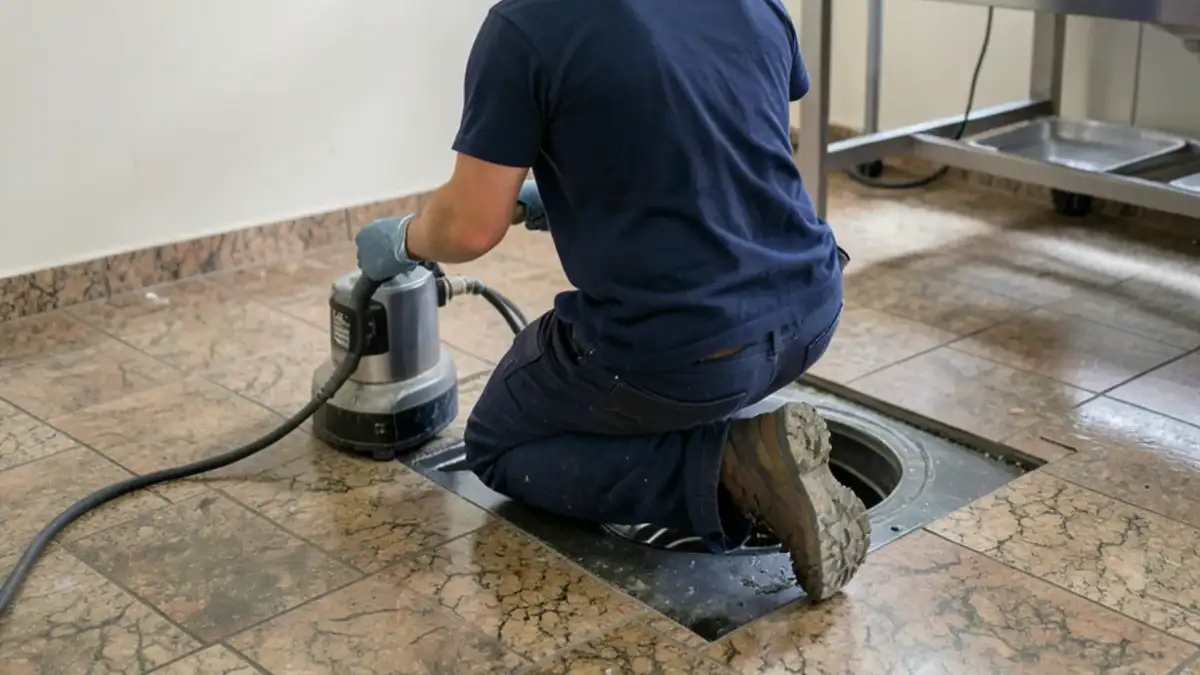
Commercial Drain Service in Washington, IL
Grease lines, floor drains and main lines cleared on a schedule that fits how your business runs.
- 4.8 on Google, 16 reviews
- Open 7 days, 7:15 AM to 6:15 PM
- Based in Washington, IL
- Google reviews going back 10 years
Commercial drain service in Washington, IL is about keeping shared drains open before a clog closes a kitchen or a restroom. For restaurants that means grease lines and floor drains on a set cleaning schedule. For offices, shops and rentals it means main lines, floor drains and records of what was done. Drains are the trade we know best.
What Does Commercial Drain Service Include?
It covers clearing the lines a business depends on, then setting up a schedule so they stay clear. We also note which fixtures share a line, because that decides what closes when one clogs. The usual scope is:
- Kitchen grease lines, prep sinks and dish machine drains
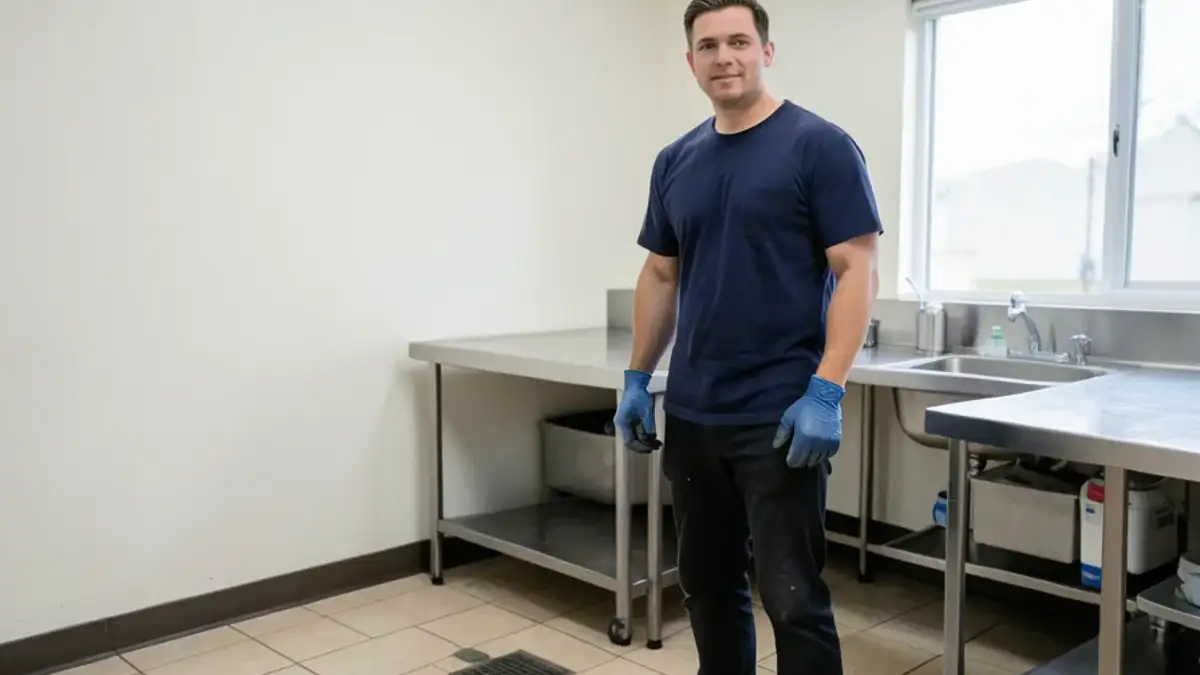
- Floor drains and mop sink drains
- Restroom branch lines and the building's main line to the sewer
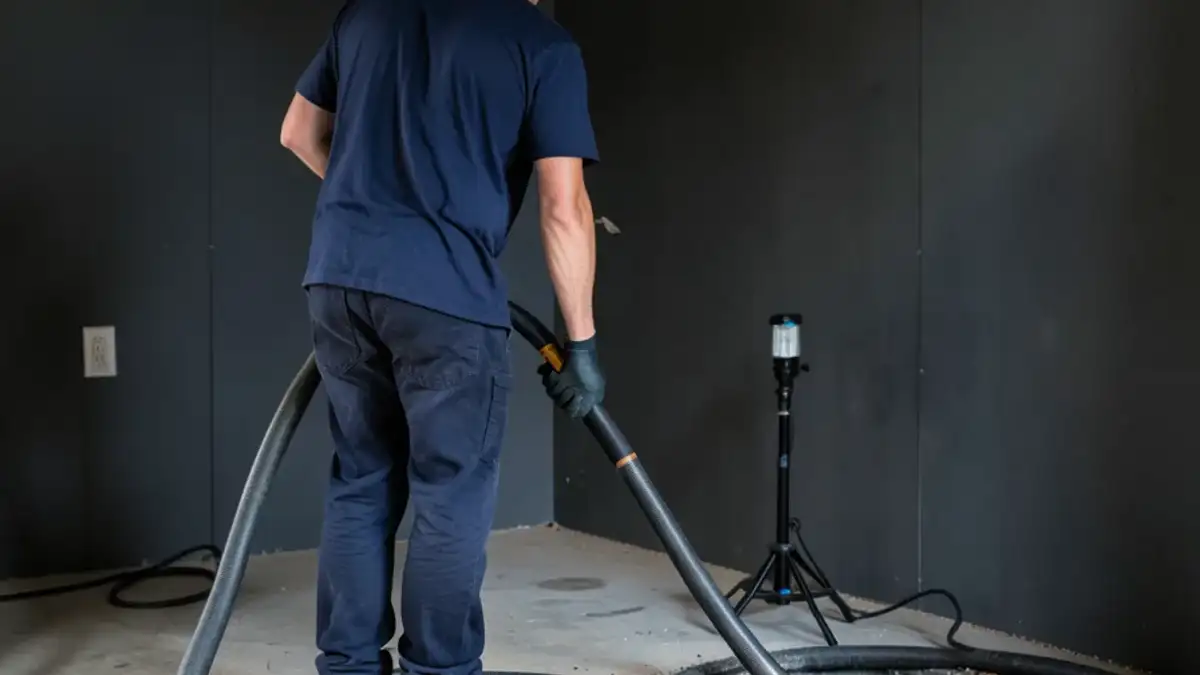
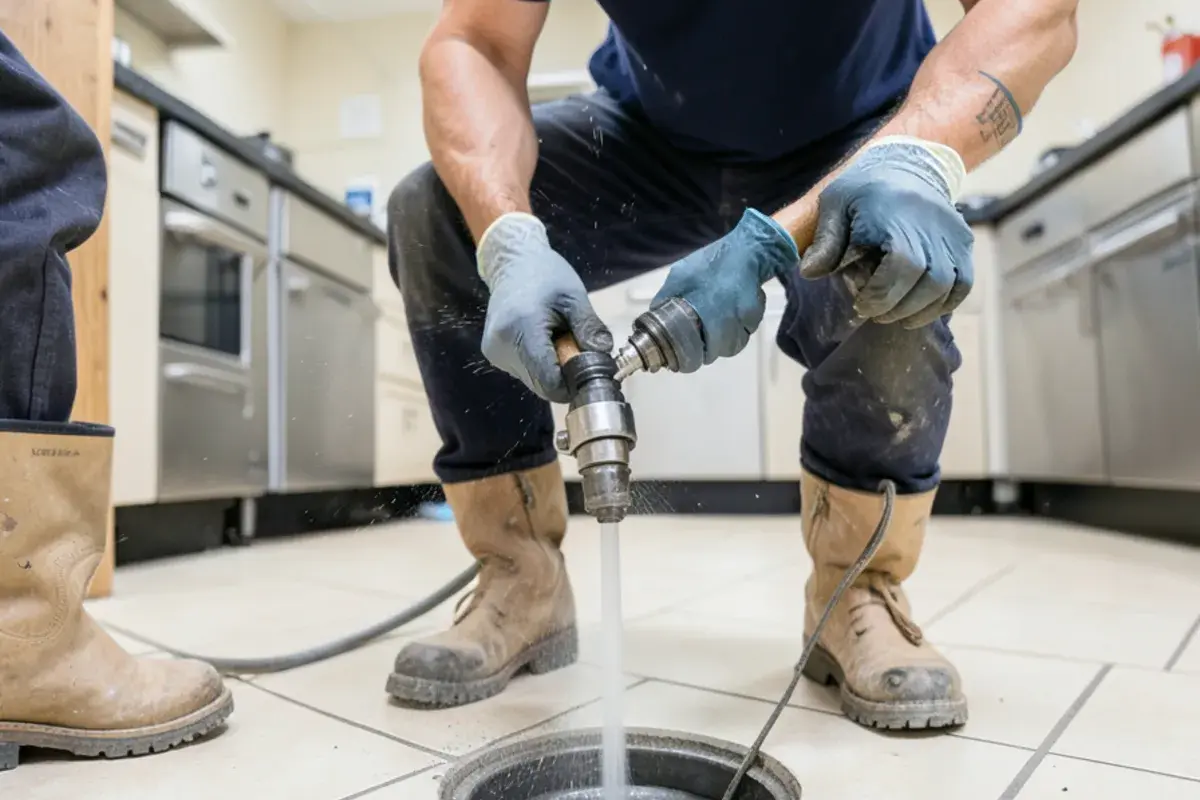
- Hydro jetting to scour grease and scale from a line that is partly restricted
- A camera look when a line keeps clogging
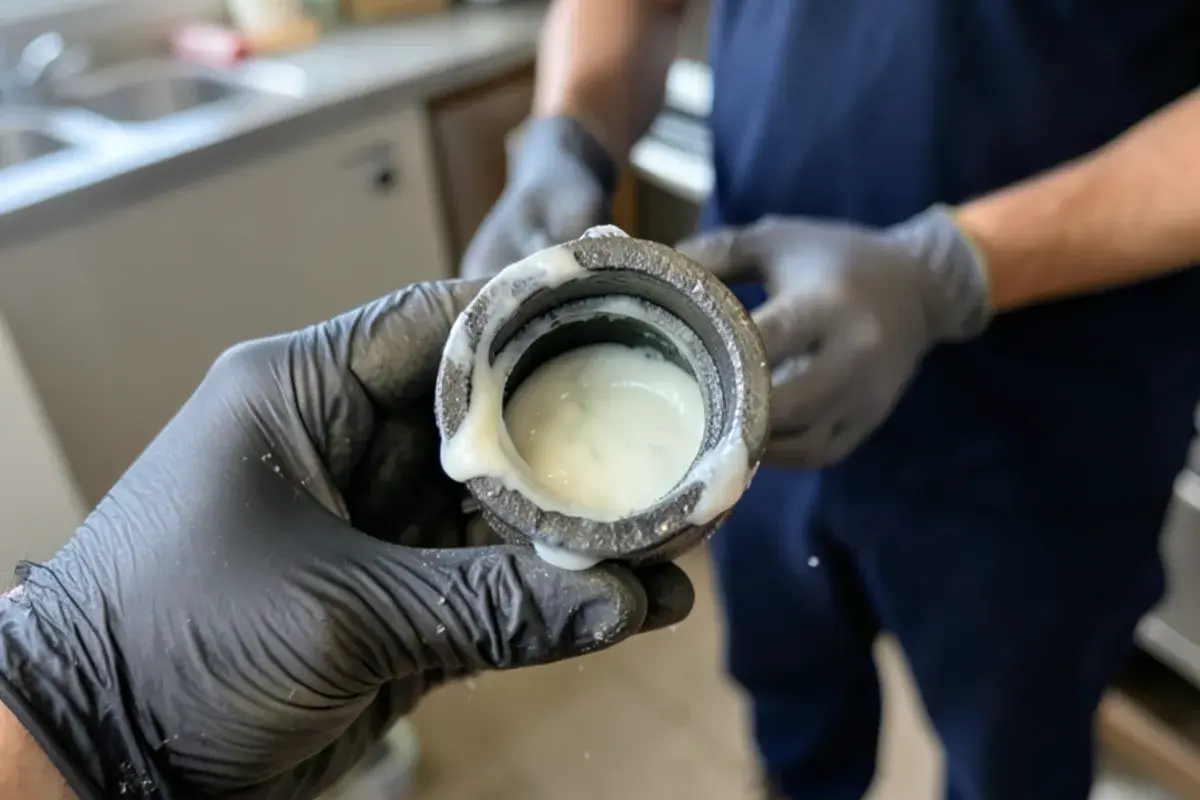
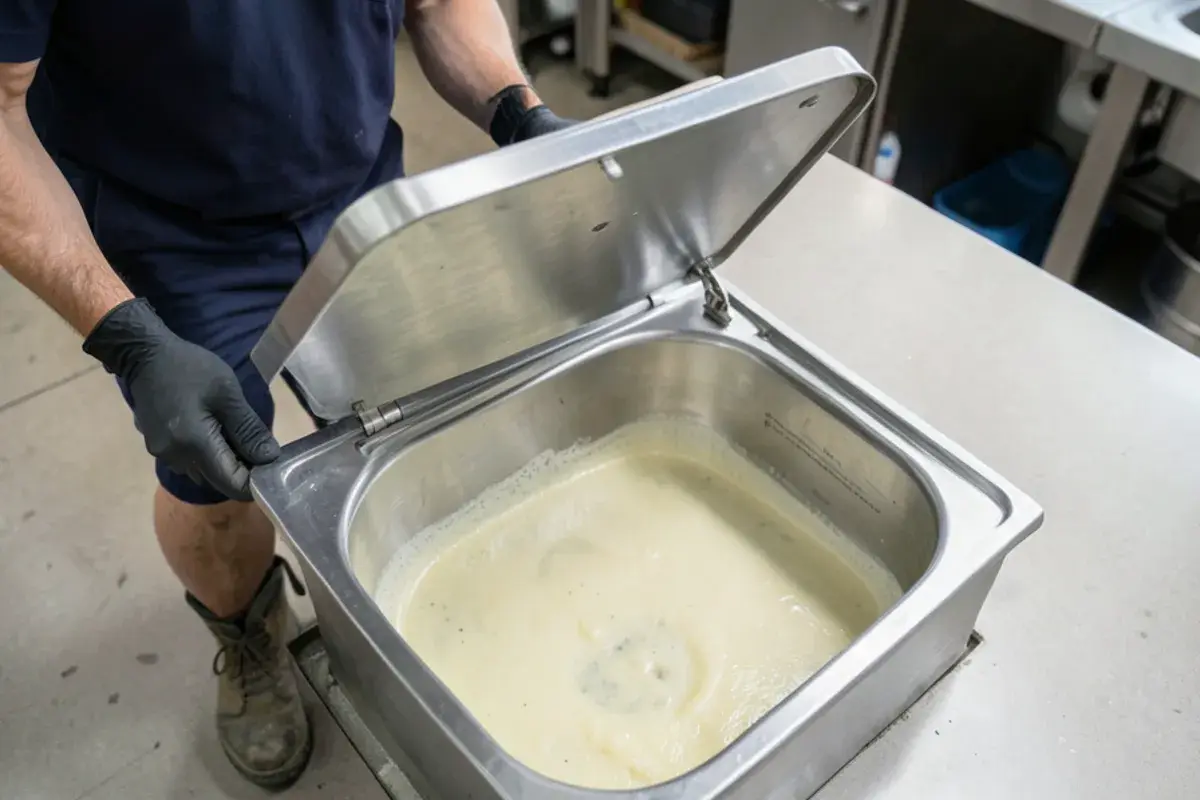
For a restaurant, grease is the heart of it. Fats and oils leave the kitchen as liquid, cool in the line, and coat the pipe wall. The coat catches food scraps and paper until the pipe closes. Cable work opens a line quickly, and hydro jetting clears the film that cable leaves behind. Interceptor pumping sits outside this list, so confirm with us who handles it before you book.
What Are a Restaurant's Drain Risks and Obligations?
The risks are practical: a backup on a Friday night, a smell in the dining room, a floor drain overflowing in the kitchen. Others set the obligations, and they differ by town.
- Health inspection. The health inspector who reviews your kitchen sets sanitation standards and may ask how you handle grease.
- City or village rules. The public works office that runs your sewer may regulate fats, oils and grease, and may require an interceptor and records. Ask them what applies to you.
- Illinois Plumbing Code. The code (77 Ill. Adm. Code 890) has a section on grease interceptor requirements. Ask your authority which type and size apply.
- Your lease. It may make you responsible for the drains inside the space.
We do not set these rules. Ask the authority, get the answer in writing if you can, and bring it to us so the schedule matches.
How Does Scheduled Drain Cleaning Work?
Scheduled cleaning replaces emergency calls with a plan. We set one up like this.
- Clear the line first. We start with a cleaning so we know what the line looks like.
- Look at what came out. Grease, paper and roots each point to a cause.
- Pick an interval. A busy fryer-heavy kitchen needs cleaning sooner than a light-use shop. We set the interval from what the line shows, not a one-size rule.
- Choose the method. Cable for solids and roots, hydro jetting for grease and scale, a camera when the line keeps clogging.
- Book the window. Google lists us as open 7:15 AM to 6:15 PM daily, so a morning visit fits ahead of the lunch rush.
- Adjust. If the line slows early, shorten the interval. If it stays clean, stretch it.
Restaurant drain backing up? Call (209) 563-1400
Open 7 days, 7:15 AM to 6:15 PM. Tell us what is happening and we will give you a clear, upfront quote.
Request a Quote
Water moving right now? Call first: (209) 563-1400. For anything that can wait, send the details here.
What Records Should an Inspector See?
Keep a simple log for every cleaning. Include:
- The date and the drains or lines cleaned
- What was found: grease, solids, roots or nothing unusual
- Who did the work and what method they used
- For an interceptor, the date it was pumped and who hauled the grease
- Any repair recommended and whether it was done
We can note what we did and found on each visit. Pumping an interceptor and hauling the grease away is a separate service from clearing lines. Ask any provider where the grease goes, and confirm with us what we handle before you schedule.
What About Offices, Shops and Rental Property?
Grease is less of an issue, but clogs still happen. Restroom lines carry wipes and paper towels. Floor drains collect silt. A main line under a parking lot may have roots from trees at the pavement edge.
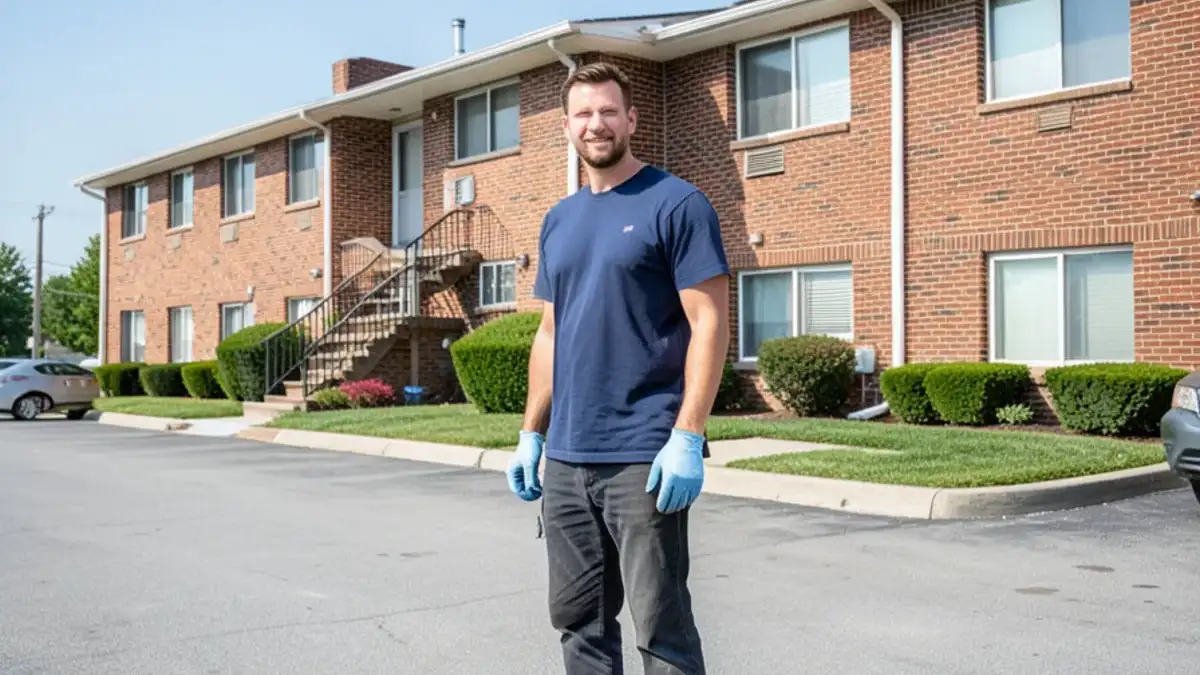
For rental property, keep a written record when a tenant causes a clog. In a strip center one shared line can take down several shops, so know which line serves which unit. A sewer camera inspection maps the line and finds belly or offset pipe. Our sewer line cleaning page explains the main line process in detail.
What Moves the Price of Commercial Drain Service?
You get a clear, upfront quote after we know the scope. These things decide it:
- Access. A reachable cleanout is quicker than a drain with no cleanout.
- Length and size of the line. Longer runs take more time.
- What is in the line. Heavy grease or roots take several passes.
- Method. Cable, jetting and camera work are different jobs.
- Interceptor service. Pumping and hauling is usually quoted by whoever does it.
- Timing. A window before opening or after close may be priced differently, so ask.
- Shared lines. A strip center line can mean coordinating with several tenants.
A schedule changes the math. Compare the cost of each planned cleaning with one lost night of service, not with the price of a single call. Thecostin.com's 2026 range of $75 to $130 per hour covers Illinois plumbers in general, not commercial jetting, and it is not our quote.
Call with the building type, the drain involved and what is happening.
Why Professional Sewer & Drain for This Work
Cleaned to the city main
Terry S. wrote that Monte and Hunter used two different sized cutters and cleaned a rooted line all the way to the city sewer. The same method applies to a business main line.
Repeat sewer customers
Paul M. came back to Gary more than once for a backed up sewer and described the rates as reasonable. A line that needs repeat visits is better handled on a planned schedule.
Mornings before the rush
Google lists us as open 7:15 AM to 6:15 PM daily. A kitchen that opens at lunch can book the early window, and we work around your service.
You see what came out
Jason P. wrote that Monte explained how to prevent a small problem from becoming a bigger, more expensive one. We show you the grease, paper or roots and tell you what they say about the line.
What Customers Say
4.8 out of 5 from 16 Google reviews, checked November 2026. Read all reviews
“Monte and Hunter came out on a Sunday (morning no less!) to help us with a mess from a backed up sewer. Lots of roots! They used two different sized cutters with a monster snake and cleaned it out all the way to the city sewer. We'd had another "sewer service" a few weeks ago and the experience was night and day different. I definitely recommend them.”
“Just a superb experience in quality and customer service and price. Called these guys at 5:30p and they were here by 6:00p and Monte did his work in the dark by flashlight! Not only did he do a fantastic job he also educated us on how to prevent these problems from becoming a much bigger and more expensive issue. I would recommend this company to anyone, they are committed to doing a professional job, ensuring it is done right and with very affordable prices.”
“Had water coming up from sink in basement and tub upstairs. Called Monty and he came right over. He did an awesome job and was very knowledgeable and professional. Very reasonably priced too. He had the problem fixed in no time. I highly recommend this company.”
Commercial Drain Service Questions
How often should a restaurant drain line be cleaned?
Is a grease trap the same as a grease interceptor?
Who tells me what grease rules apply to my restaurant?
What records should I keep for an inspector?
Can you clear a floor drain that keeps backing up?
What happens to the grease taken out of an interceptor?
Commercial Drain Service in Washington? Call (209) 563-1400
Open 7 days, 7:15 AM to 6:15 PM. Tell us what is happening and we will give you a clear, upfront quote.
Where We Provide This Service
We clear commercial drains from our Washington base across Tazewell, Woodford and Peoria counties. Restaurant rows and strip centers in Morton, East Peoria and Peoria share the same grease concerns, but each village and city has its own sewer rules. Along the river in Pekin, heavy rain can slow a restricted line fast. The service areas page lists every town.
- Morton: Morton's I-74 businesses and kitchens can plan scheduled cleaning with us.
- East Peoria: Levee District shops and restaurants need lines clear before the rush.
- Peoria: Older Peoria buildings feed combined sewers, so grease control matters.
- Pekin: Much of Pekin is on combined sewer, so grease control matters.
- Bartonville: US 24 corridor businesses mix kitchens, floor drains and shared lines.
- Sunnyland: The Route 8 corridor and Sunnyland Plaza sit about 4 miles away.
- Eureka: Buildings empty over college breaks, then drains take a sudden load.
- Goodfield: Goodfield's I-74 exit businesses sit on a small village sewer system.
- Normal: Landlords with several units near Illinois State University can group drain work into one scheduled trip.
- Peoria County: Older Peoria streets keep clay and cast iron laterals under shops and rental buildings.