
Water Quality in Washington, IL
Test first, then match a softener or filter to what the test shows.
- 4.8 on Google, 16 reviews
- Open 7 days, 7:15 AM to 6:15 PM
- Based in Washington, IL
- Google reviews going back 10 years
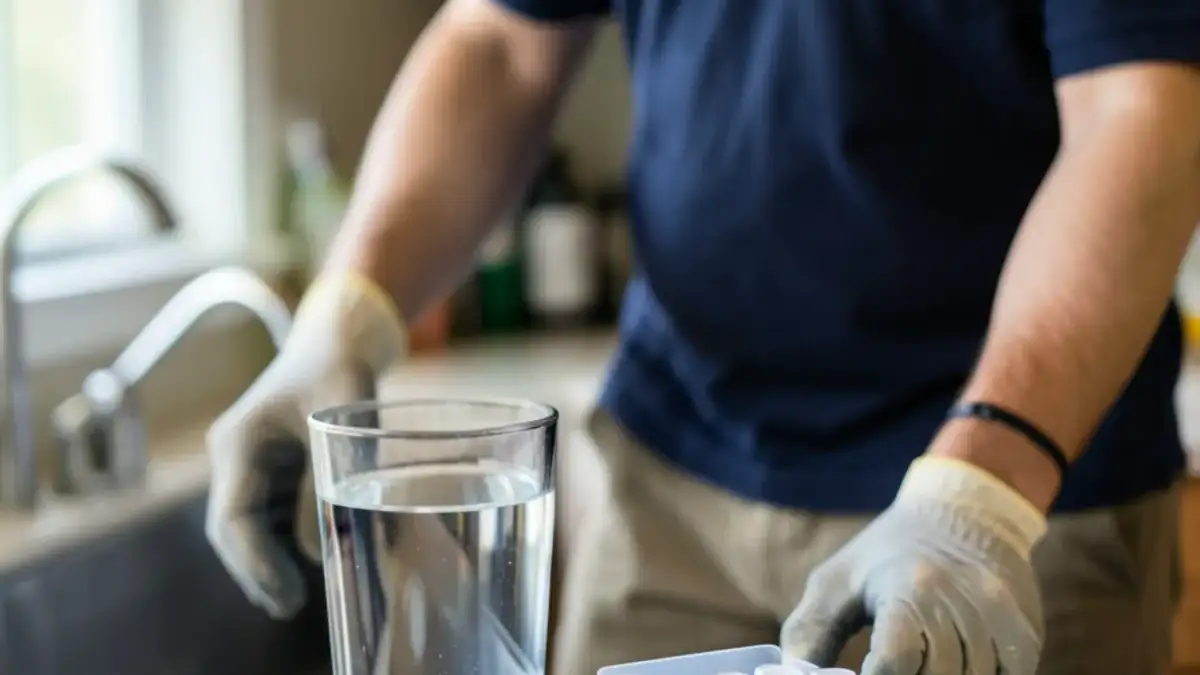
Water quality in Washington, IL starts with a test, not a tank. Hardness, taste, staining and safety are different problems, and each calls for a different system. A softener fixes scale, a filter fixes what a filter is built for, and neither works well when it is chosen from a guess.
How Do You Find Out What Is in Your Water?
Start with the source. On city water, the supplier publishes an annual water quality report that lists hardness and regulated contaminants. Ask the utility for yours. On a private well, no one tests for you, so a lab test is the only reliable answer.
We do not quote a hardness number for any Washington-area town, because no reliable figure is on file and numbers vary by supply. Deep wells in this region usually run hard, but your own report or test is the one that counts.
Is It a Softener Problem or a Filter Problem?
Match the symptom to the tool.
| What you notice | Likely cause | Where to look |
|---|---|---|
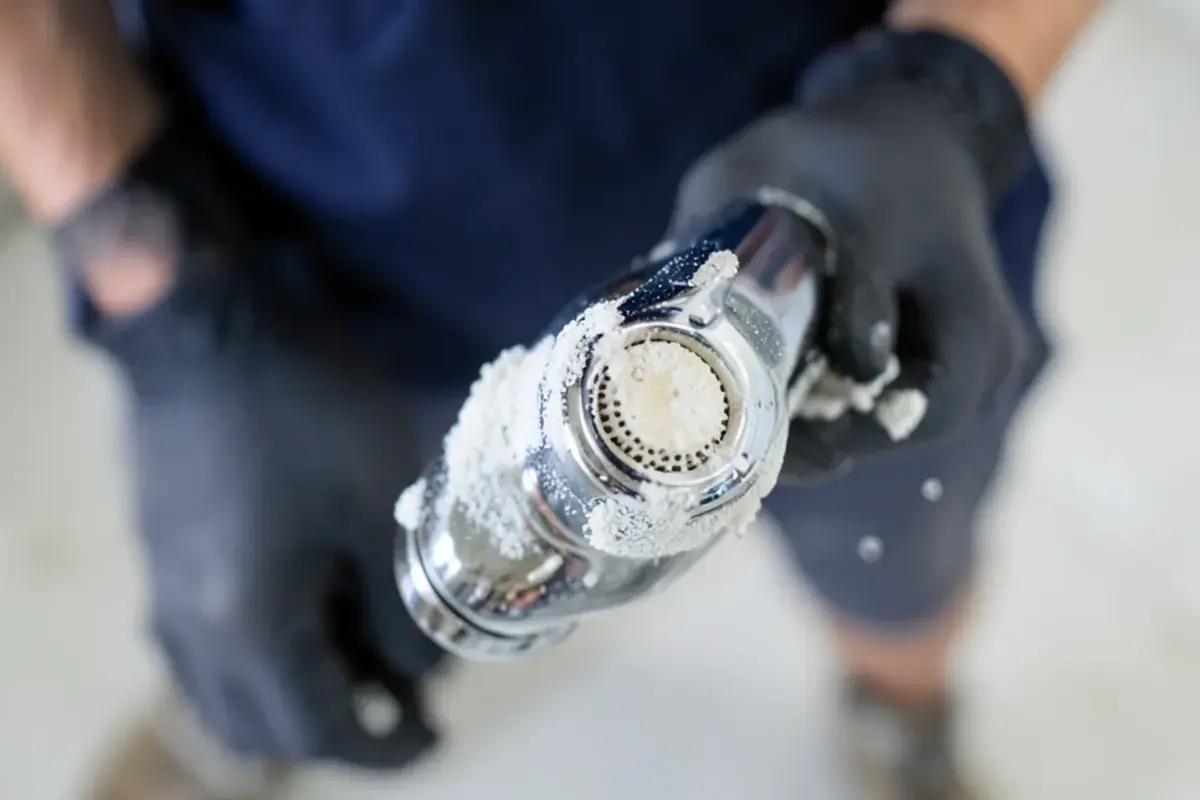
| White crust on faucets, spotted dishes, dry skin after a shower | Hardness | Water softener installation |
| Chlorine taste or odor, cloudy or gritty water | Disinfectant, sediment | Whole house water filtration |
| Drinking water worry such as nitrate or lead | A specific contaminant | Lab test, then a filter built for it |
| Orange or rust stains | Iron | Test first, then an iron-rated system |
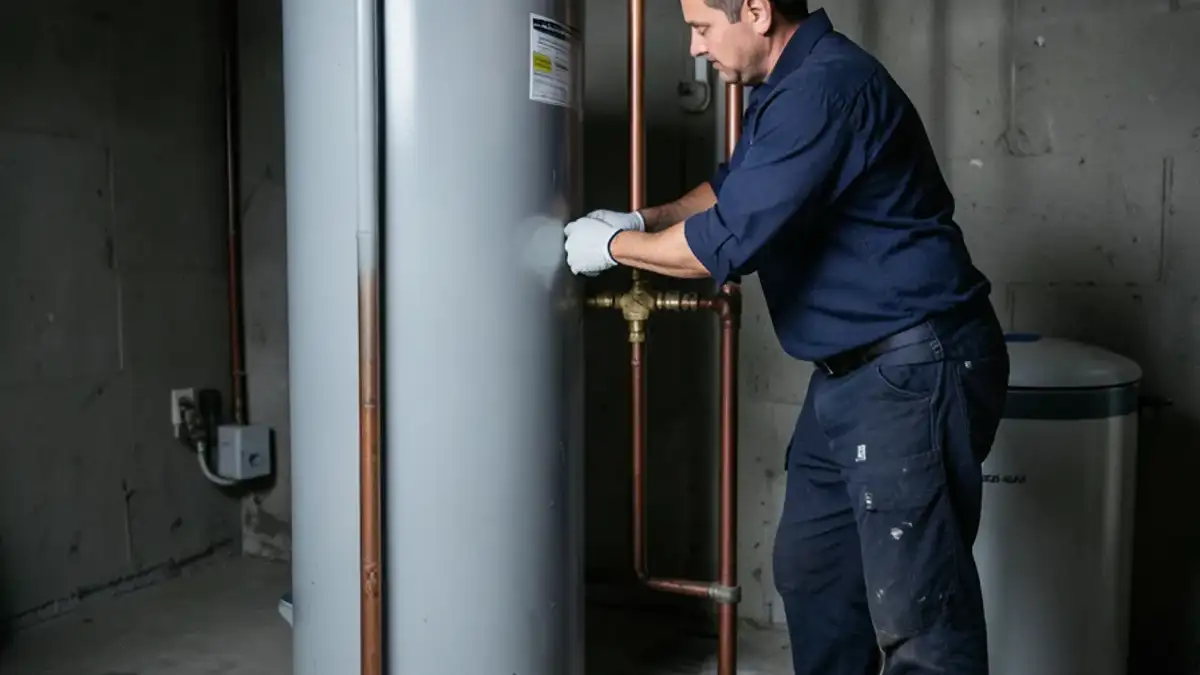
Scale also shortens the life of a water heater, so hardness is worth settling before it costs you an appliance.
What About Well Water in Rural Woodford County?
Treat the well as your own utility. Woodford County has rural homes on private wells, and the Illinois Department of Public Health recommends testing for bacteria and nitrate every year and for metals every three years. Test again after flooding, a well repair, or a change in taste, color or smell. Your county health department can handle the bacteria and nitrate test.
Septic tank pumping and private sewage systems are a separate licensed trade. We work on the house plumbing up to the system.
How We Match Equipment to a Result
- Get the test result, from the utility report or a lab.
- Decide which problem matters: scale, taste, staining or safety.
- Size the system to household water use and the test number.
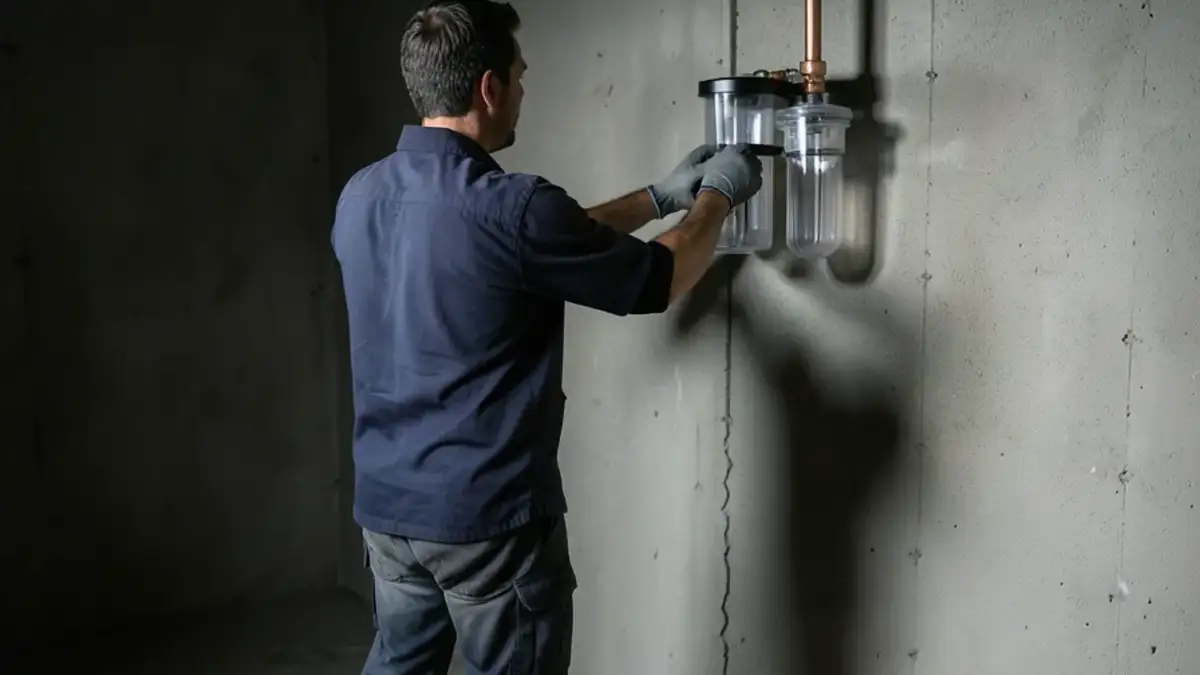
- Install it on the line it should treat, with a bypass and a drain.
Request a Quote
Water moving right now? Call first: (209) 563-1400. For anything that can wait, send the details here.
What Customers Say
4.8 out of 5 from 16 Google reviews, checked November 2026. Read all reviews
“Great experience! Called on a Sunday afternoon and they came right over. Extremely professional and knowledgeable! Very reasonable price! Will definitely call them back for maintenance.”
“Very knowledgeable and professional. They showed up right when they said that they would be there, and the job was done right the first time. Highly recommend them!”
“Great service! Called on a Sunday was over in 15 min had it fixed in 10min. Very knowledgeable and trustworthy”
Water Quality Questions
How do I find out how hard my water is?
Does a water softener make water safe to drink?
Do I need both a softener and a filter?
Should I test my well water before buying any equipment?
Water Quality in Washington? Call (209) 563-1400
Open 7 days, 7:15 AM to 6:15 PM. Tell us what is happening and we will give you a clear, upfront quote.