Whole House Water Filtration in Washington, IL
Filters matched to what your water test shows, from the main line to one tap in the kitchen.
- 4.8 on Google, 16 reviews
- Open 7 days, 7:15 AM to 6:15 PM
- Based in Washington, IL
- Google reviews going back 10 years
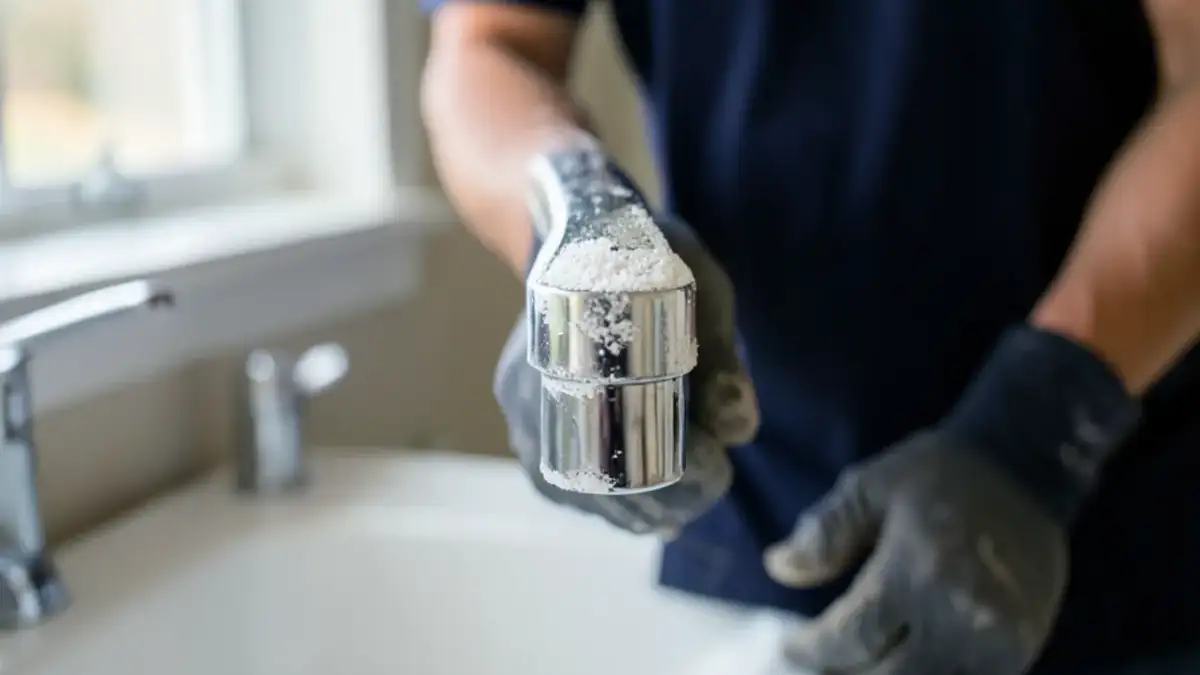
Whole house water filtration in Washington, IL means treating water where it enters the home, with a sediment filter and a carbon tank, then adding reverse osmosis at the kitchen sink if drinking water needs a finer step. Each filter removes particular things and misses others, so a test result picks the system, and rural wells need that test first.
Which Filter Removes What?
Each filter does one job. Know the job before you choose the filter.
| Filter | Removes or reduces | Does not do |
|---|---|---|
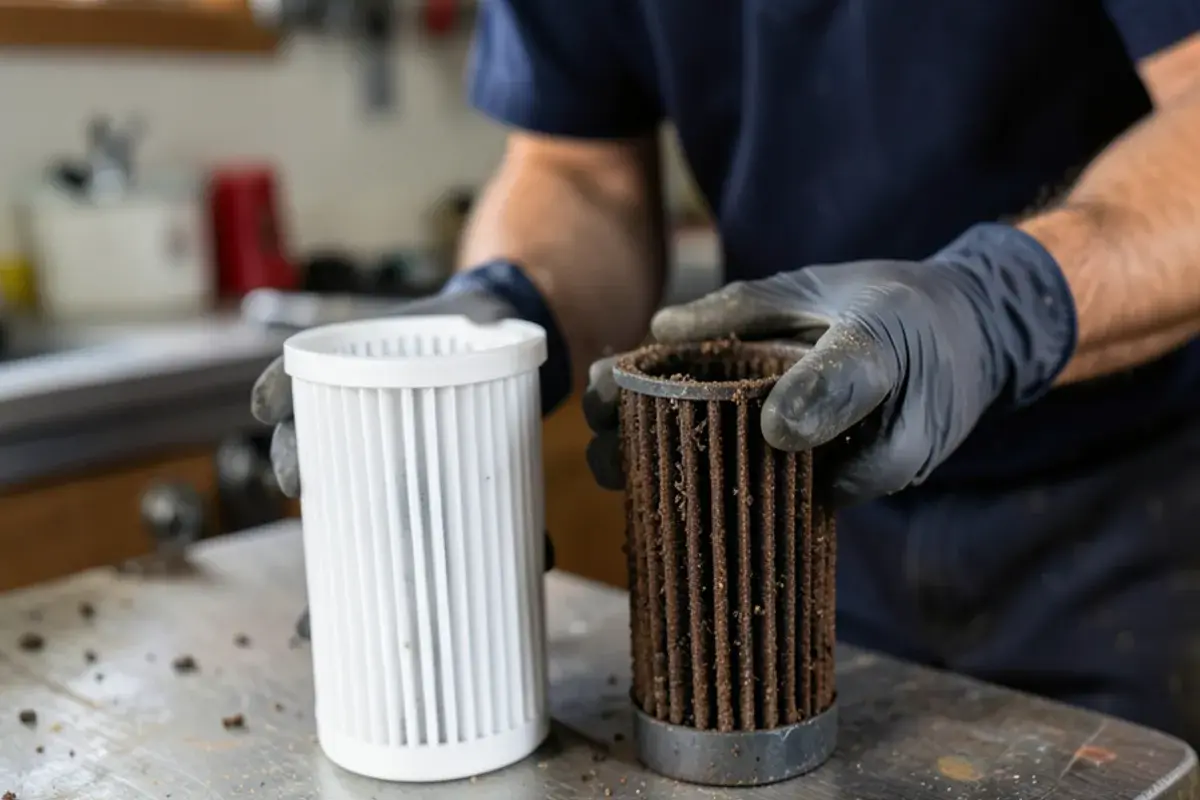
| Sediment cartridge | Sand, grit, rust flakes, silt | Dissolved minerals, taste, bacteria |
| Activated carbon | Chlorine taste and odor, many household chemicals | Hardness, bacteria, nitrate |
| Reverse osmosis | Many dissolved solids, including nitrate | Used for one tap, not the whole house |
| Ultraviolet treatment | Bacteria and viruses, when the water is clear | Chemicals, hardness, taste |
A softener is a different tool. It removes hardness minerals and nothing else, which is why our water softener installation page treats it separately.
What a Filtration Install Includes
An install covers the equipment that fits your result, the plumbing to carry it and the handover that keeps it working. The scope usually takes in:
- Reading your result. The utility report or lab test, and the problem you want solved.
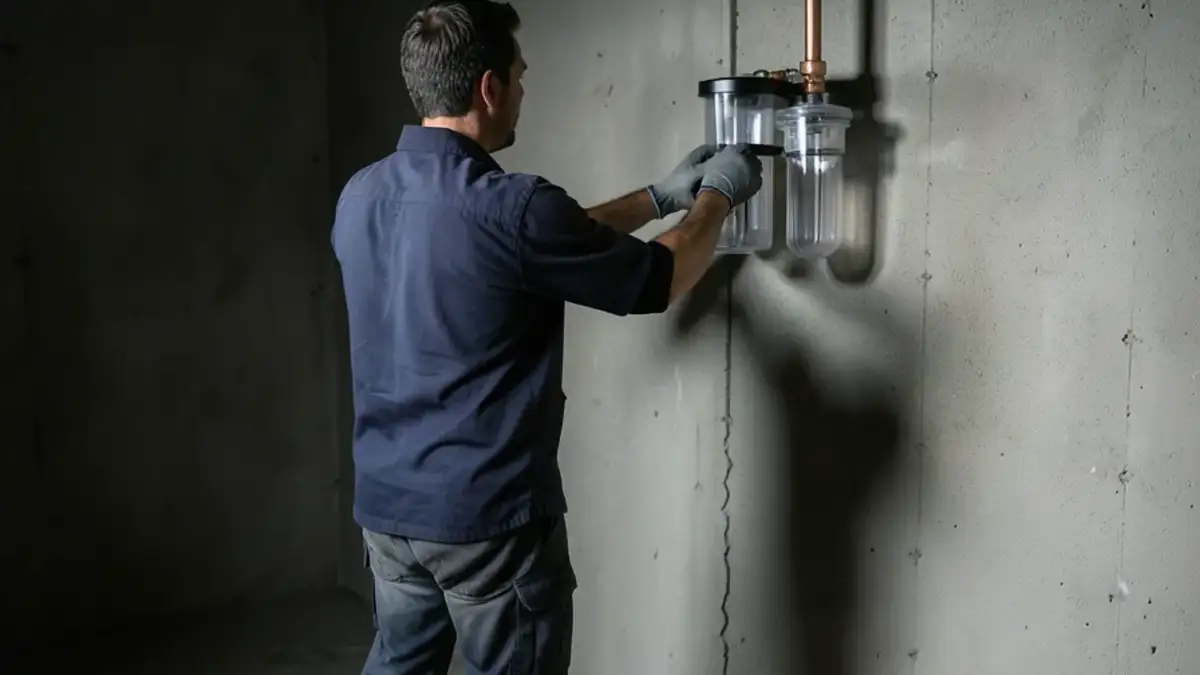
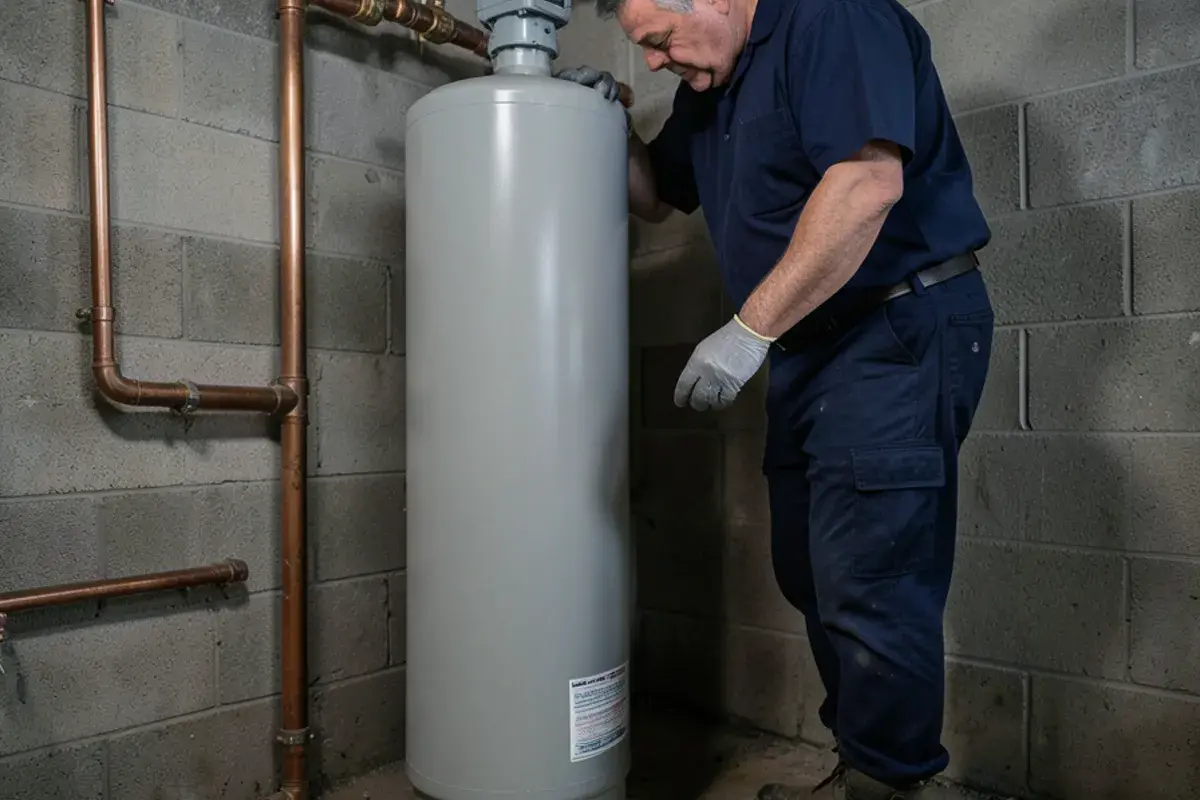
- Main line equipment. Sediment housings or a carbon tank, cut in with a bypass near the main shutoff.
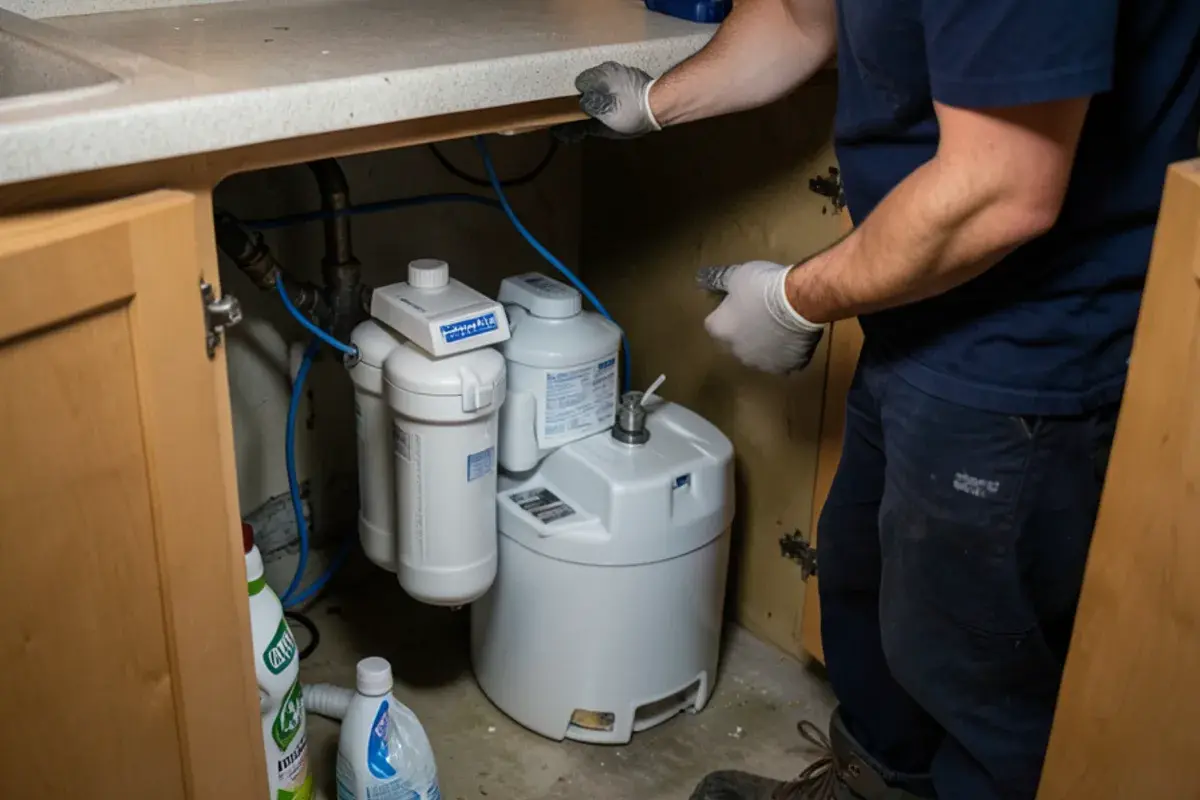
- A drinking water tap. Reverse osmosis under the sink with its own small faucet, if you want one.
- Drain connections. Backwashing tanks and RO units both need one.
- Start-up and handover. New media flushed, joints checked and the change schedule explained.
A filter treats what you test for. It does not repair a well, fix lead in a service line or replace disinfection after a bad bacteria result. Any ultraviolet unit needs clear water and power, so it follows the sediment stage. Lab fees belong to the lab, so budget for them apart from the install.
Should You Treat the Whole House or One Tap?
Treat the whole house for problems you notice everywhere, and one tap for the water you drink. A whole house carbon tank handles chlorine taste in the shower, laundry and every faucet. Reverse osmosis is built for small flows, so it fits one kitchen tap, with its own small faucet beside the sink.
Reverse osmosis sends concentrated reject water to the drain, so putting it on every line would waste a lot of water and slow the flow. Most homes that want the finest drinking water use both: a carbon tank on the main line, plus RO at the kitchen sink.
How Do You Pick a System From a Test Result?
Start from the result and let it pick the filter.
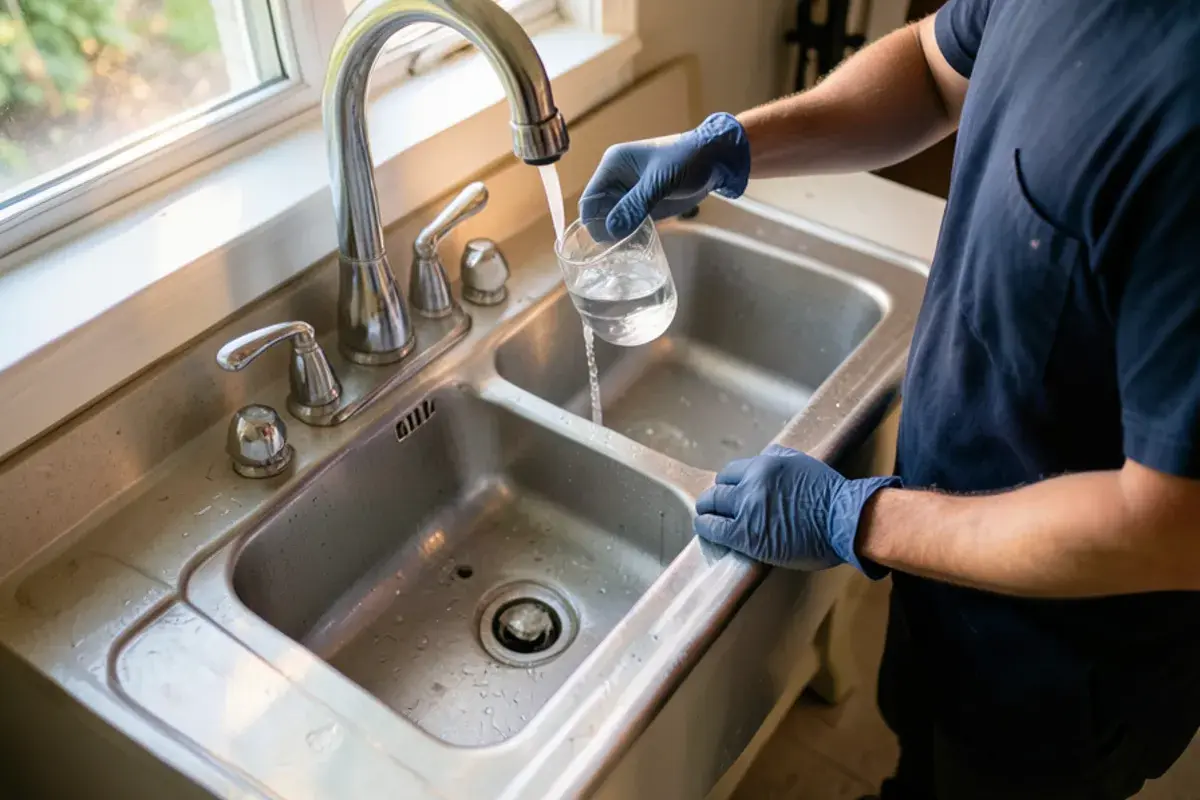
- Get the report or test. City water has an annual water quality report from the utility. A private well needs a lab test.
- Name the problem. Taste, sediment, staining, a specific contaminant, or bacteria.
- Match it to a filter type. The table above shows what each one can and cannot do.
- Check the certification. Look for NSF/ANSI 42, 53 or 58, whichever fits the claim, and check the listing for your contaminant.
- Size it to the house. Flow rate and household use decide the tank and cartridge size.
We do not quote water quality numbers for any town. They vary by supply, and your own result is the one that matters.
Questions about your water quality? Call (209) 563-1400
Open 7 days, 7:15 AM to 6:15 PM. Tell us what is happening and we will give you a clear, upfront quote.
Request a Quote
Water moving right now? Call first: (209) 563-1400. For anything that can wait, send the details here.
What About Filtration for Private Wells in Woodford County?
Test first, because wells carry problems that taste does not reveal. Woodford County has many rural homes on private wells, and the Illinois Department of Public Health recommends testing for bacteria and nitrate every year and for metals every three years. Test again after flooding, a well repair, or a change in the water's taste, color or smell.
What the test finds sets the plan:
- Sediment or rust. A sediment filter and perhaps an iron-rated system.
- Bacteria. Disinfection, such as ultraviolet treatment, after the cause is dealt with.
- Nitrate. Reverse osmosis at the drinking tap is one option.
- Hardness. A softener, not a filter.
Your county health department can test for bacteria and nitrate. A private sewage system is separate, and septic tank pumping is another licensed trade. Our work stops at the house plumbing that feeds the system.
Which Rules Apply to Filter Equipment?
Filter equipment on a main line is plumbing work under the Illinois Plumbing License Law, 225 ILCS 320, and the Illinois Plumbing Code, 77 Ill. Adm. Code 890. Ask anyone you hire for the license number and check it on the IDPH lookup.
Permit needs vary, so ask the City of Washington on its inspection line, (309) 444-1122, weekdays 8:00 AM to 5:00 PM, or your village hall elsewhere. Water quality rules sit with your supplier for city water. For a private well no utility report exists, so the owner decides, guided by IDPH testing advice, and that is why the lab result matters here.
What Does Filter Installation Involve?
The filter goes where the water needs treating, and it needs service access.
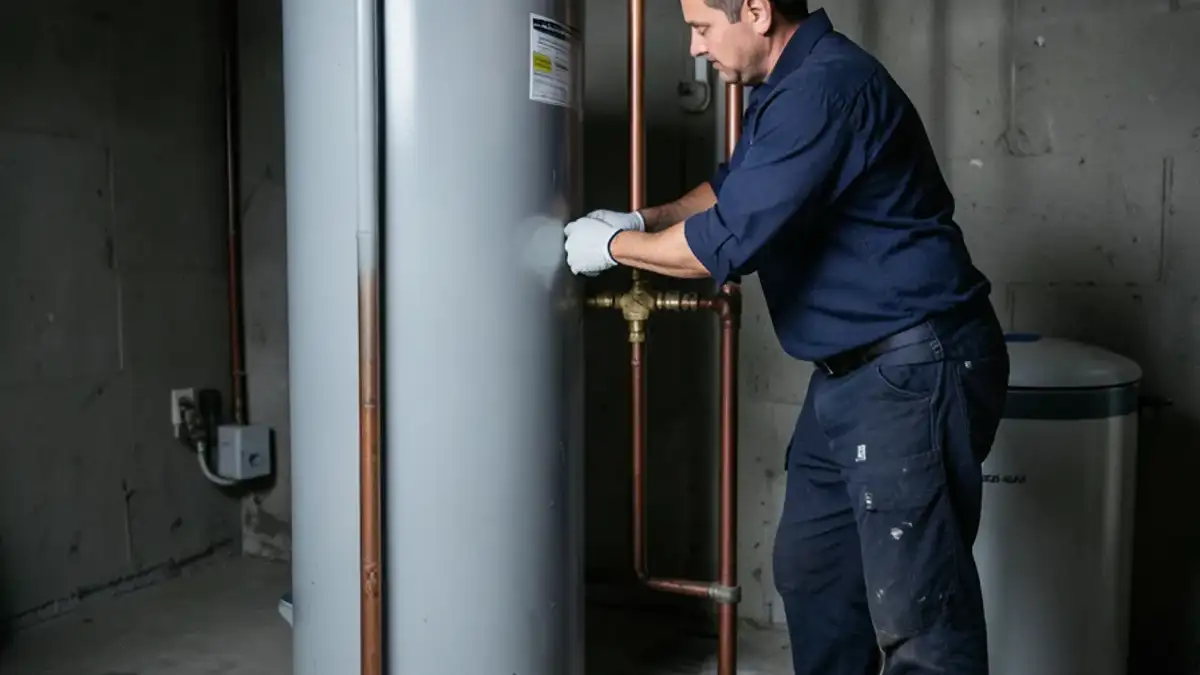
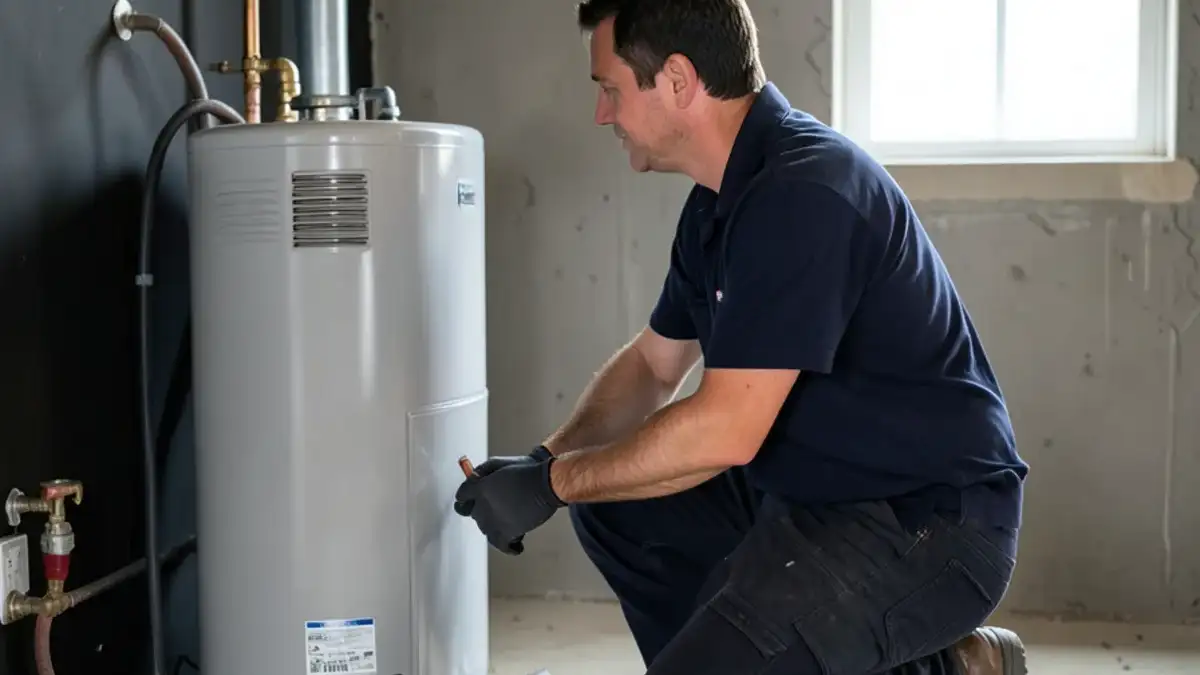
- Choose the location. Main-line equipment goes near the main shutoff valve, after the pressure tank on a well.
- Shut off and drain the water at the main shutoff valve.
- Cut in the filter with a bypass, so you can service it without losing water to the house.
- Connect the drain. Carbon tanks that backwash and RO systems both need a drain.
- Run the RO tap. A small faucet is set in the sink or counter, with tubing to the unit.
- Flush and check. We flush new media, check for leaks and show you how to change a cartridge.
What Does Filtration Cost, and What Does It Cost to Keep?
You get a clear, upfront quote for the work. These things move it:
- Equipment type. A sediment housing, a carbon tank and an RO set differ in parts and labor.
- Plumbing changes. A tight utility corner takes more time.
- Drain access. Backwashing tanks and RO units both need a nearby drain.
- Number of stages. More stages mean more filters and a bigger installation.
- The water itself. Gritty well water loads a cartridge faster than clean city water, so a test can change the hardware you buy.
We list variables, not prices, because no reliable local figure is on file for filtration and two systems with the same name can do very different jobs.
After install, the running cost is replacement cartridges, carbon media and RO membranes on the maker's schedule, plus a little water. Ask for the schedule in writing, so you know what the next year costs before you buy.
Why Professional Sewer & Drain for This Work
We explain, not just install
Jason P. wrote that Monte educated them on how to prevent a bigger and more expensive problem. A filter system needs the same talk: what it removes, when it needs service, and what it will not touch.
Open seven days
Google shows the business open 7:15 AM to 6:15 PM every day. Reviewers have written about Saturday and Sunday calls, and filtration visits can use the same calendar.
Showed up when they said
Molly J. wrote that the crew showed up when promised and did the job correctly the first time.
Pricing reviewers call reasonable
Reviewers on our Google profile mention reasonable or affordable pricing in seven reviews. That is how past customers described their own jobs, not a quote. Yours comes as a clear, upfront quote.
What Customers Say
4.8 out of 5 from 16 Google reviews, checked November 2026. Read all reviews
“Just a superb experience in quality and customer service and price. Called these guys at 5:30p and they were here by 6:00p and Monte did his work in the dark by flashlight! Not only did he do a fantastic job he also educated us on how to prevent these problems from becoming a much bigger and more expensive issue. I would recommend this company to anyone, they are committed to doing a professional job, ensuring it is done right and with very affordable prices.”
“Great experience! Called on a Sunday afternoon and they came right over. Extremely professional and knowledgeable! Very reasonable price! Will definitely call them back for maintenance.”
“Very knowledgeable and professional. They showed up right when they said that they would be there, and the job was done right the first time. Highly recommend them!”
Whole House Water Filtration Questions
Do I need whole house filtration or just a kitchen filter?
Does reverse osmosis waste water?
Will a whole house filter soften my water?
How often do filters need to be changed?
Will a filter make well water safe from bacteria?
What does NSF certification on a filter mean?
Whole House Water Filtration in Washington? Call (209) 563-1400
Open 7 days, 7:15 AM to 6:15 PM. Tell us what is happening and we will give you a clear, upfront quote.
Where We Provide This Service
We install filtration from our Washington base across Tazewell, Woodford and Peoria counties. Many rural homes in Woodford County use private wells, where the test comes before any equipment. In Germantown Hills and Metamora, ask whether you are on a public supply or a well, because the plan changes. Morton homes on public water can start from the supplier's annual report. Browse every town we cover on the service areas page.
- Germantown Hills: Caterpillar Trail groundwater is treated at the plant, so read its report before adding a filter.
- Metamora: Metamora's 2025 water report addresses lead pipes, so start there before choosing a drinking water filter.
- Morton: Morton homes on public water can begin with the supplier's annual report, not a brochure.
- Peoria Heights: Peoria Heights residents reported brown water, so sediment and manganese questions come first.
- Deer Creek: Deer Creek's board noted that manganese must be filtered, so name the problem before buying.
- East Peoria: East Peoria's annual water quality report is linked from the city's water page.
- Eureka: Eureka draws from two city wells, so compare any taste or sediment complaint with its report.
- Chillicothe: Chillicothe's own wells mean its reports and a home test should guide any filter choice.
- McLean County: Bloomington's taste and smell episodes make a planned filter install a fair question in this county.