Prevention checklists
Why Home Buyers Need a Sewer Camera Inspection
Published November 1, 2026. Updated November 1, 2026.
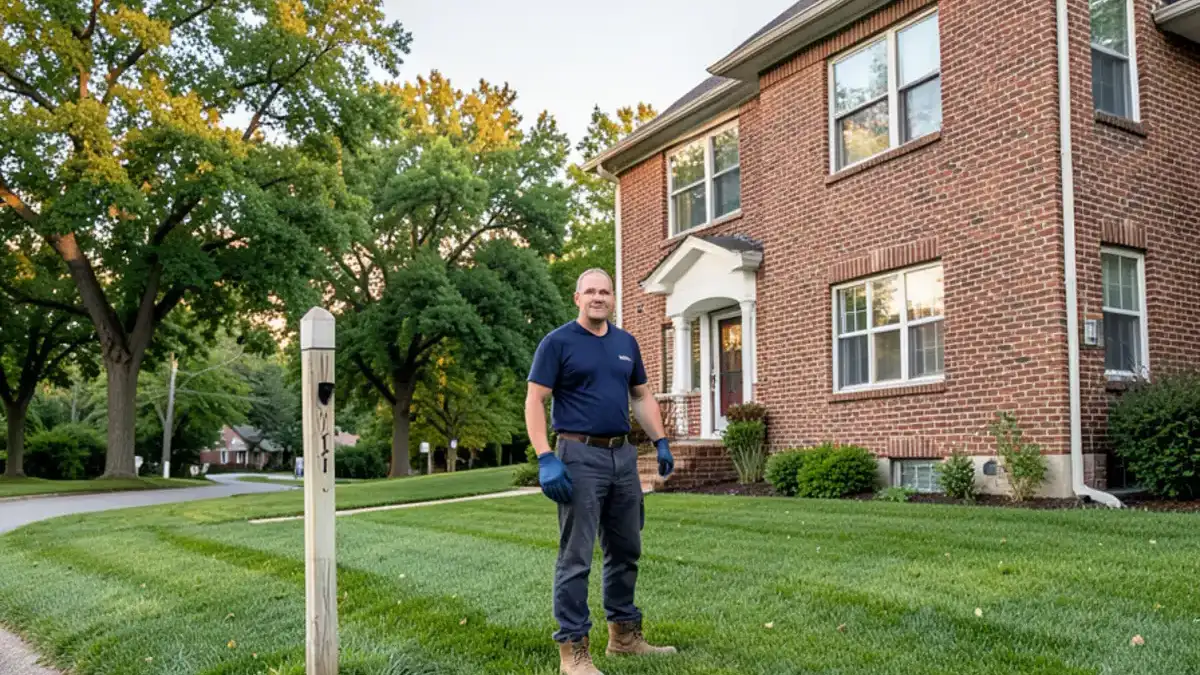
A sewer inspection before buying a house shows the one thing a walkthrough cannot: the condition of the buried pipe from the house to the city sewer. After closing, the lateral is usually yours to maintain. A camera pass tells you what you are inheriting, and the footage is leverage in the deal.
Why Does a Standard Home Inspection Miss the Sewer Line?
A standard home inspection covers what the inspector can see, and the sewer lateral is underground. The Daily Illini reported in 2012, in a syndicated piece citing drain-cleaning experts, that sewer line inspection is not part of the standard home inspection and is often waived. Ask your inspector what yours covers, because practice varies.
After closing, the pipe from the street to the house is generally the owner's responsibility, not the city's. Where the owner's duty stops varies, so ask the public works office in your town. A proposed, unsigned Washington ordinance would address private sewer laterals and authorize city inspection. Its status is unconfirmed, and the city can tell you where it stands.
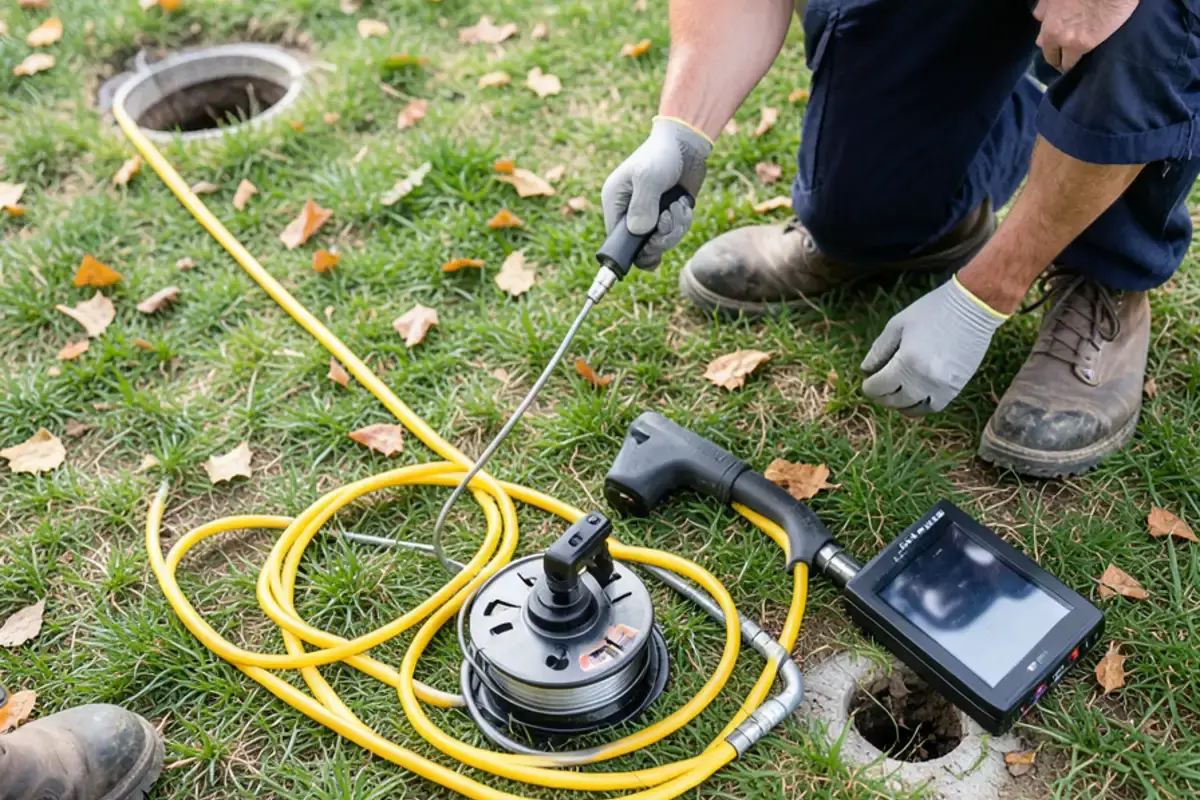
The cost of finding out is one visit. A sewer camera inspection sends a camera down the line and records what it sees.
Buying a house with an unknown sewer line? Call (209) 563-1400
Open 7 days, 7:15 AM to 6:15 PM. Tell us what is happening and we will give you a clear, upfront quote.
Which Homes Carry the Most Sewer Risk Around Washington?
Washington's housing is a mix. About 13% of units date from 1939 or earlier, the median year built is 1978, and the largest group, 21%, was built from 2000 to 2009 (Point2homes, citing Census data). Age is a guide, not a verdict.
| Home type | What to expect | Why scope |
|---|---|---|
| Built 1939 or earlier | Older pipe, often clay tile, with joints roots can enter | EPA notes clay can crack more readily than concrete or plastic |
| Mid-century to the 1970s | Mixed materials depending on the street and the year | The material is unknown until you look |
| Built in 2000 or later | Plastic pipe is typical | Low spots, offsets or debris still happen |
| Rebuilt after 2013 | New walls may sit on an older lateral | See our tornado rebuild guide |
The same article lists signs that make a scope more urgent: a home 20 or more years old, mature trees, a long vacancy, cracked or raised concrete, and visible root growth in the yard. Roots enter pipe joints in search of water, and root growth is the most common cause of sewer line damage.
What Does the Camera Show, and How Do You Use It?
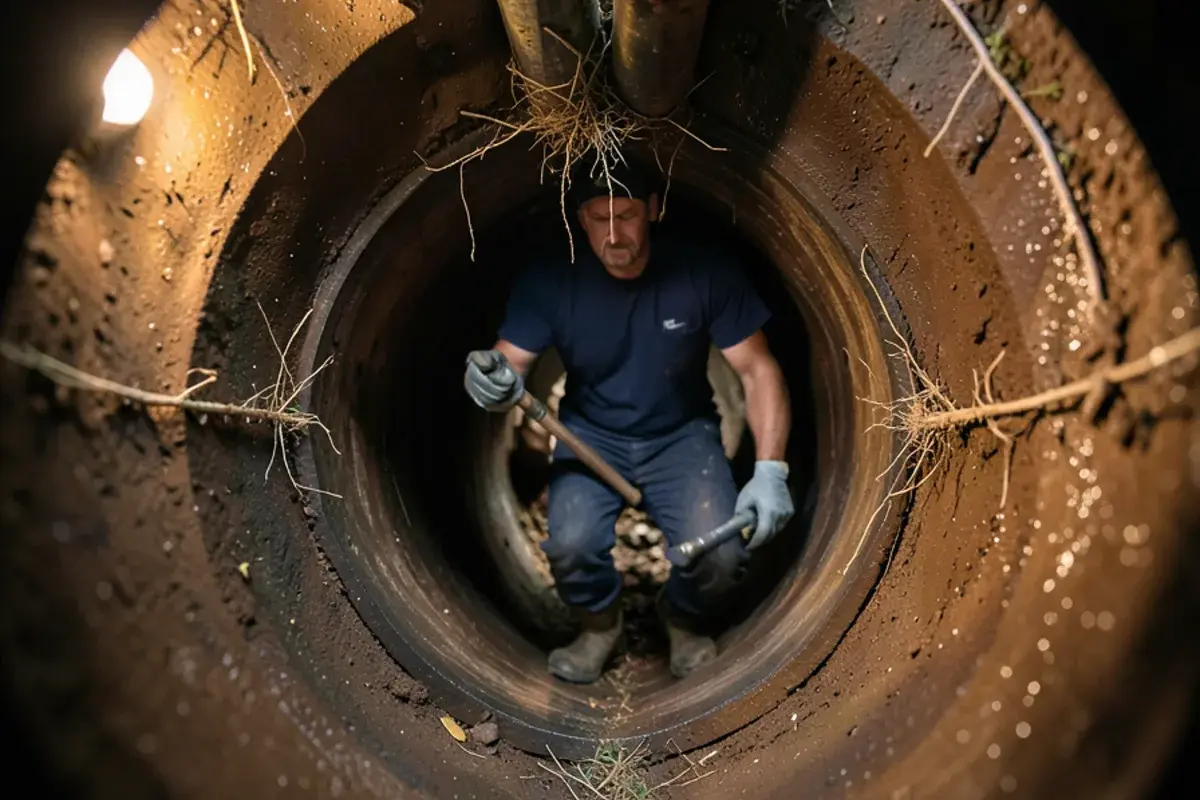
The camera shows the pipe's material, its joints and its course from the cleanout toward the city sewer. These are the findings that matter to a buyer:
- Roots at joints. Common in older pipe. A cleaning clears them for a time, and sewer root removal explains the options.
- Offsets and cracks. A joint that has slipped can catch solids and let soil in.
- A belly. A low spot where water stands and waste settles.
- A change of material, such as clay joined to plastic, which is a place where trouble tends to start.
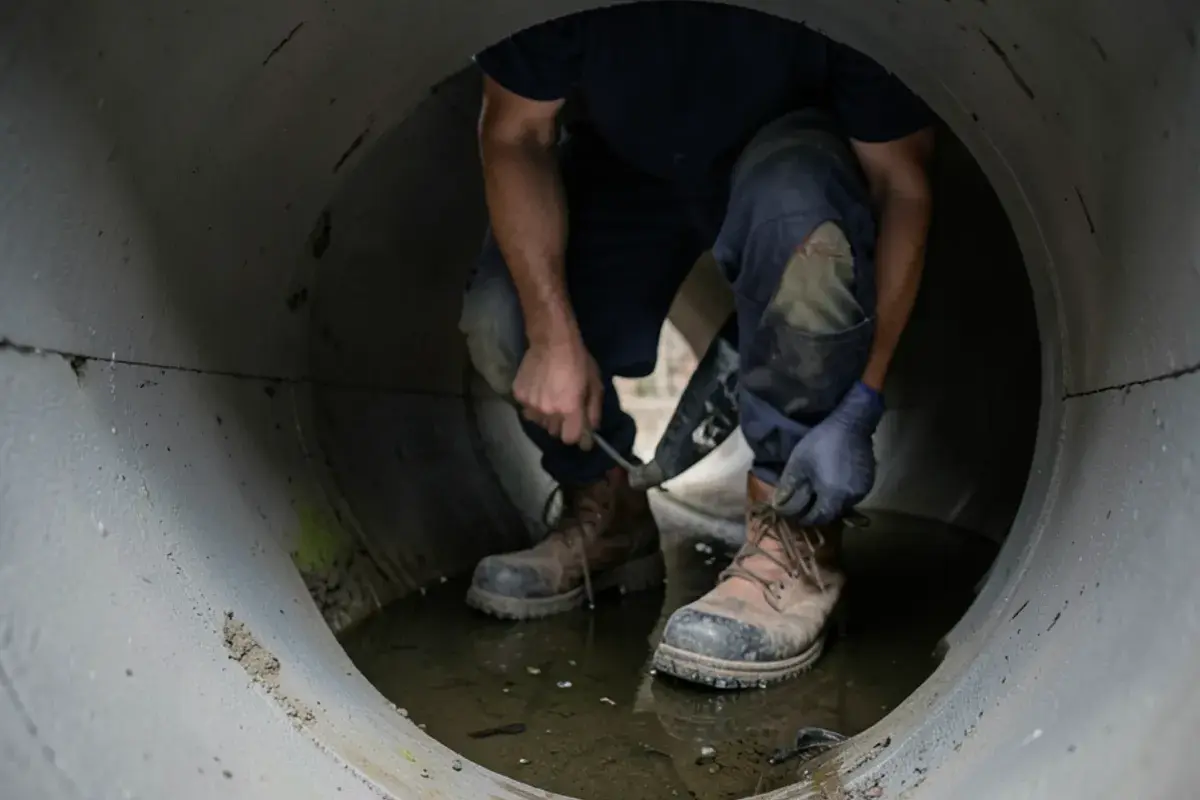
- A collapse or a blockage that stops the camera.
Footage turns a worry into a negotiation. You can ask the seller to repair the line, offer a credit, adjust the price or walk. A sewer line repair can range from a spot fix to replacement, and our guide to sewer line replacement cost in Illinois lists published estimates, which are not our quote.
What Is a Reasonable Ask for Each Finding?
Match the request to the size of the problem. An Illinois law firm, Williams McCarthy, advises buyers to keep repair demands on health, safety and large imminent expenses, not routine upkeep.
| Finding | Reasonable next step |
|---|---|
| Clean line | Nothing to ask for. Keep the video for your records |
| Roots at joints, pipe intact | Cleaning before closing, or a small credit, and a plan for repeat cleaning |
| Belly with some standing water | A repair quote, then a decision based on length and depth |
| Crack or offset joint | A written repair quote and a credit or seller repair |
| Collapse | Repair before closing or a price change, since the line may not work at all |
How Does a Scope Fit an Illinois Contract Timeline?
Fast, so start the day the contract is accepted. Inspection language varies by form. Williams McCarthy points to one standard Winnebago County form that gives a buyer seven business days from final acceptance to object, and your form may differ.
- Find your deadline. Read the inspection clause and ask your attorney or agent for the exact date.
- Book the scope right away. Inspect and Test's guide says to book early so there is time left for repair quotes.
- Arrange access. Ask the seller's agent where the cleanout is, and whether the water is on in a vacant house.
- Get a quote from the video. A plumber or sewer contractor can price a defect from footage with distance marks.
- Send your request through your attorney. The same firm warns that a repair list can count as rejecting the inspection, which may let the seller treat it as a counteroffer and move on.
What Does a Scope Cost Compared With What It Can Find?
Far less than the repair it can reveal. Inspect and Test publishes these typical ranges, which are estimates and not our quote:
| Item | Published range |
|---|---|
| Scope added to a home inspection | $100 to $250 |
| Plumber's camera inspection | $150 to $500 |
| No cleanout, access through a toilet or vent | Adds $75 to $200 or more |
| Locating and marking depth | Adds $50 to $150 |
The buyer usually orders the scope, since it is the buyer's risk to size up. Ask what the price includes before you book, especially the video and how far the camera will go.
What Do You Ask For When You Book the Scope?
Ask for four things before the visit, and you will come away with a record you can use.
- The recording itself, not only a summary.
- Distance marks so every defect can be located along the run.
- A note on where the camera stopped and why.
- A plain statement of what is a repair, what is a watch item and what is fine.
Tell the plumber your inspection deadline when you schedule. For a house in Metamora, about seven miles from our base, timing is easy to coordinate, but call first so we can say what we can do on your schedule.
What We Read on the Monitor
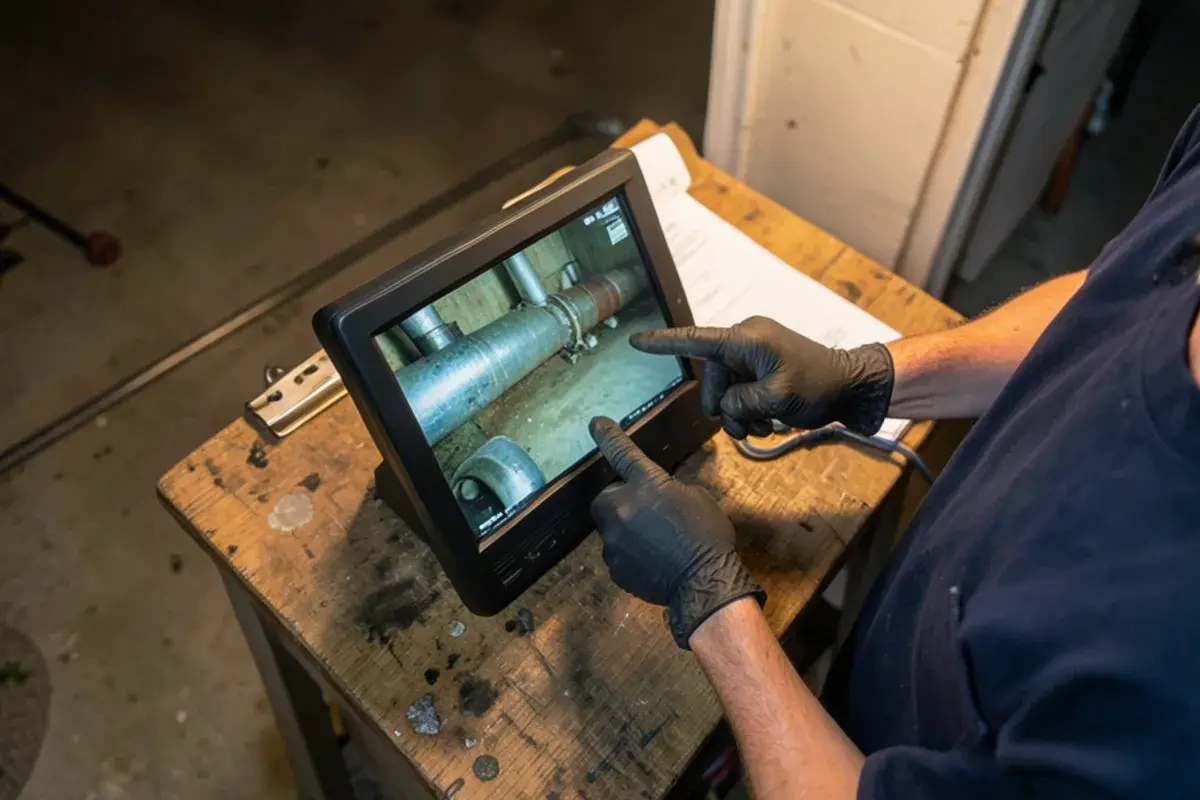
We watch the screen the way you would read a map. Where does the pipe leave the house, and does it run straight? Are the joints tight? Is the bottom of the pipe dry, or does water pool in a low spot? Do roots show as a fringe at a seam, or as a mass?
When something shows up, we tell you what it means in plain terms and what each option costs you in time, so you are not guessing at a seller's repair estimate. If the footage looks clean, you will know it, and that is worth having before you sign. Our guide to tree roots in your sewer line helps you recognize the pattern in the yard.
Where a Clean Report Can Mislead You
A scope is a snapshot, and it has limits worth knowing:
- A freshly jetted line can look better than it is. Inspect and Test flags this, because cleaning can hide a root problem for a while. Ask the seller when the line was last cleaned.
- A short scope is a partial answer. If the camera stopped before the city sewer, the rest of the line is still unknown.
- The company doing the scope may also sell the repair. That goes for us too. Take the video to a second plumber before you accept a full replacement plan.
- The lateral may run past your property line. Check with the local utility about the part under the street.
Book It Inside Your Window
Call (209) 563-1400 with the address, your inspection deadline and where the cleanout is, if you know. Tell us you are buying the house. We will say what we can do on your timeline, and you get a clear, upfront quote before the camera goes in.
Sources

Written by the Professional Sewer & Drain Services team
A plumbing and sewer company based in Washington, IL. About us