Local angles
Rebuilt After the Tornado: Plumbing Checks for Washington, IL Homes
Published November 1, 2026. Updated November 1, 2026.

A plumbing inspection in Washington, IL makes sense for a home rebuilt after the November 17, 2013 tornado, because the first heaters and fixtures from those rebuilds are now old enough to fail. Most of that work is sound. This guide separates what is documented from what is our own reasoning, so you can decide what is worth checking.
What Happened, and Why Does It Matter for Plumbing Now?
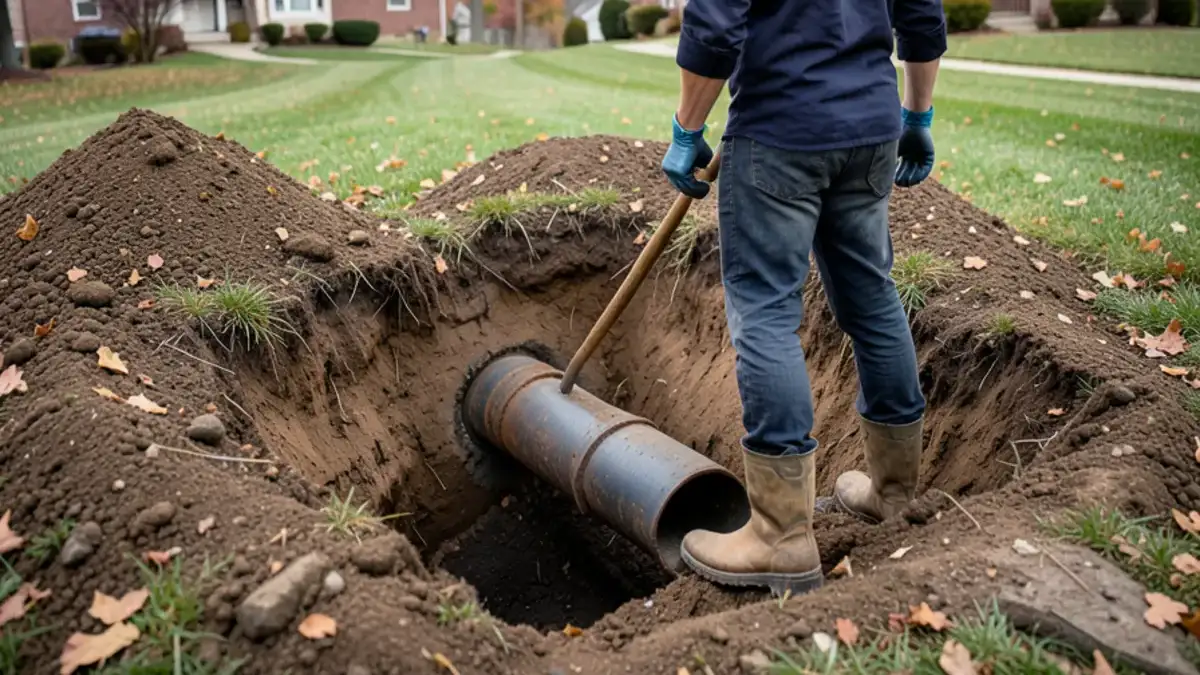
On November 17, 2013, an EF4 tornado with winds near 190 mph crossed Washington on a path of about 46 miles, and three people died. It damaged or destroyed more than 1,100 homes in the city, more than 600 of them completely, in neighborhoods including Woodridge Trace, Washington Estates, Trail Edge and Devonshire Estates. Washington is our base, so this is local history, and we treat it that way.
Rebuilding began that winter and ran for years. By May 2014 the city had issued more than 600 recovery permits. A year after the storm, about 75% of the destroyed homes had begun reconstruction, and the city had added building inspectors to keep up. That puts many Washington houses and their plumbing at roughly twelve years old today.
Nothing here suggests rebuilt homes were built badly. The point is narrower. A house that old has parts reaching the end of their normal life, and a buried sewer lateral is the one part nobody ever sees.
Not sure what is under your rebuilt home? Call (209) 563-1400
Open 7 days, 7:15 AM to 6:15 PM. Tell us what is happening and we will give you a clear, upfront quote.
What Should a Plumbing Inspection in Washington, IL Cover for a Rebuilt Home?
A useful inspection covers the parts that age in the first dozen years and the parts that cannot be seen without tools. The table also shows which claims are documented and which are our reasoning.
| Check | Why now | Basis |
|---|---|---|
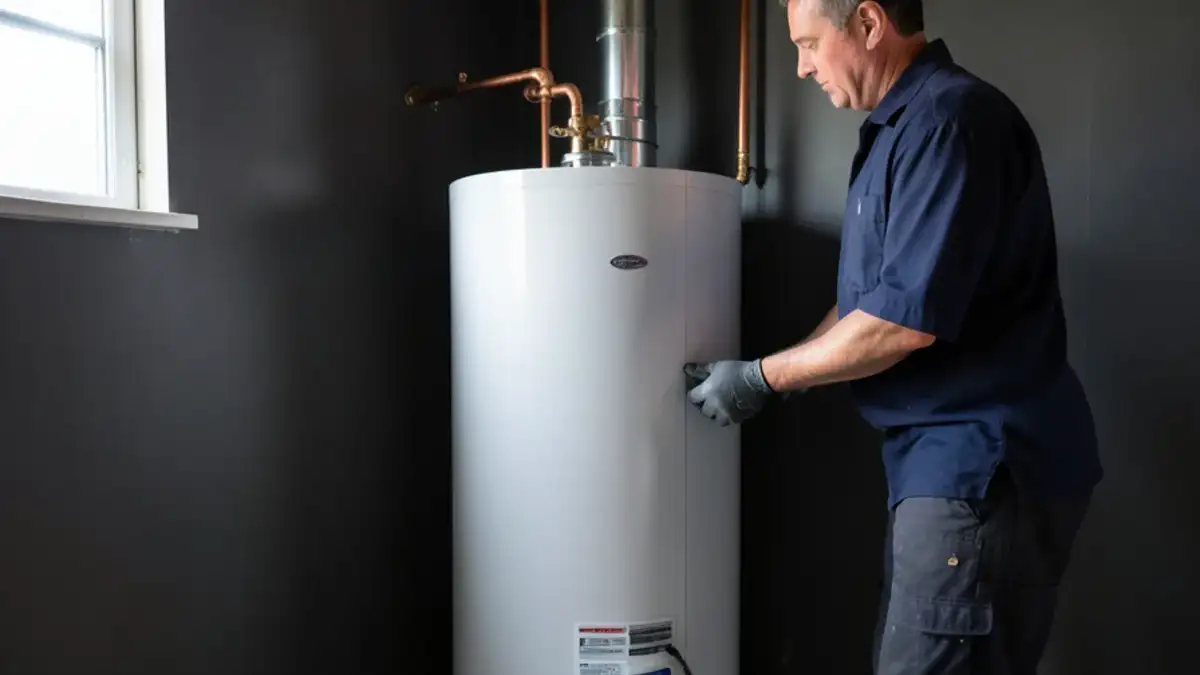
| Water heater age and condition | Residential heaters typically last 8 to 13 years | Range is documented; install year is inferred |
| Relief valve and anode rod | Valve service life is usually about three years; rod replacement every two to five years | Documented (National Board) |
| Sewer lateral by camera | Buried pipe is never seen after backfill | Documented mechanism; condition is unknown |
| Main shutoff and fixture stops | Valves that are never turned can seize | Trade knowledge |
| Cleanout access | You cannot clean a line you cannot reach | Trade knowledge |
| Permit record on your address | Shows what was inspected and when | Confirm with the city |
A heater put in during the rebuild is now close to the middle of that 8 to 13 year window. The water heater replacement cost guide explains what a swap involves when yours reaches the end, and water heater installation covers the visit.
What Can You Check Yourself in an Hour?
Most of the list needs a flashlight and no tools. Walk it in this order:
- Read the heater's label. Note the install date or serial number, and look for rust or dampness at the base.
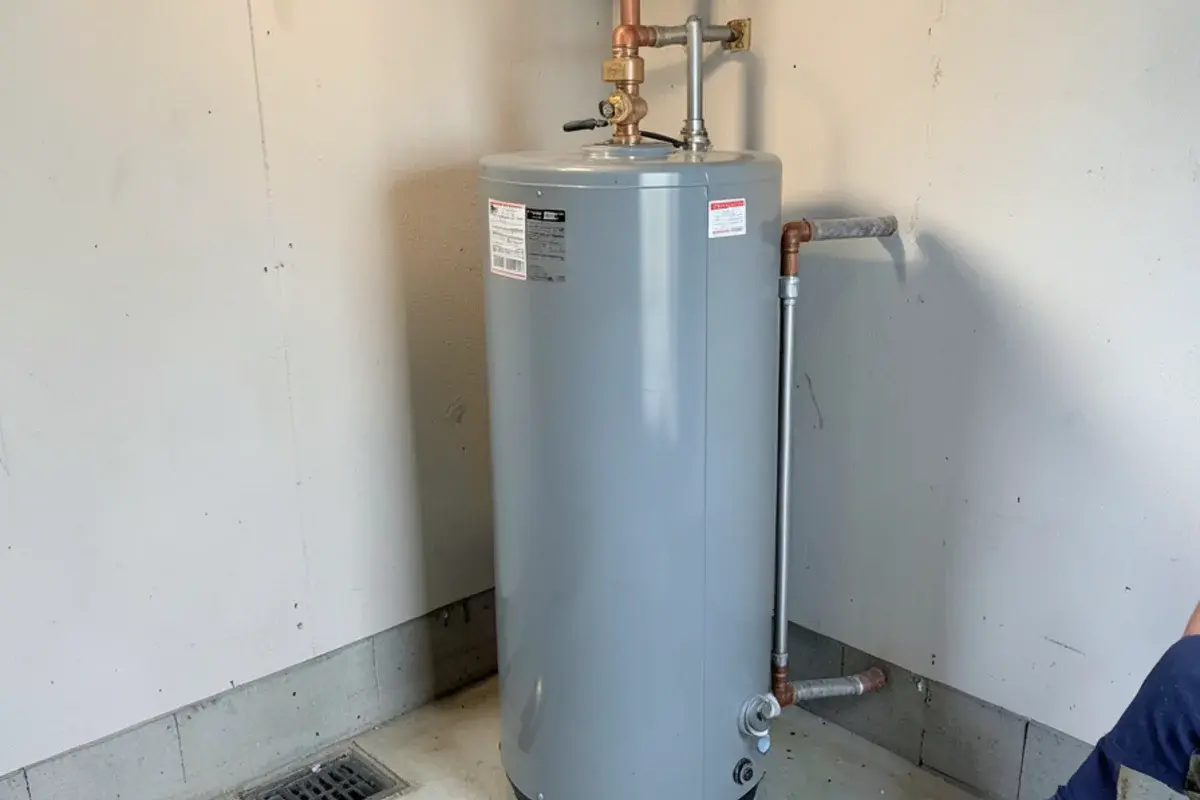
- Follow the relief valve pipe. It should run from the valve toward the floor, open at the end and never capped.
- Look at the heater's flexible hoses. Triple-I says to replace them every five to seven years, so hoses from the rebuild are overdue if nobody has touched them.
- Find the expansion tank, if the house has one. One manufacturer says most last 5 to 10 years, so an original tank has likely reached that age.
- Test the sump pump by pouring a bucket of water into the pit. Bob Vila puts typical life at about 7 to 10 years, so a first pump is on borrowed time.
- Turn the main shutoff closed and open once, and do the same with one sink stop.
- Find the cleanout. State code puts it within 5 feet of the foundation and asks for 18 inches of working room around it, so boxes and finished walls should not be in the way.
Stop at the first thing that looks wrong, take a photo and add it to your list. If a valve weeps after you turn it, leave it alone and call.
Could Storm-Disturbed Sewer Laterals Hide Damage?
Possibly, though we found no published inspection data on laterals after the storm. What we can cite is the mechanism. EPA notes that sewer lines depend on support from the surrounding earth, and that when ground shifts they crack or misalign and joints open. It adds that vitrified clay pipe can crack more readily than concrete or plastic.
Two points are our inference, not documented findings. First, a new house often connects to the lateral that served the old one, and that pipe may be decades older than the walls above it. Second, debris removal took 36 days, and we assume heavy machinery crossed many lots in that time. Heavy loads over shallow pipe can disturb it.
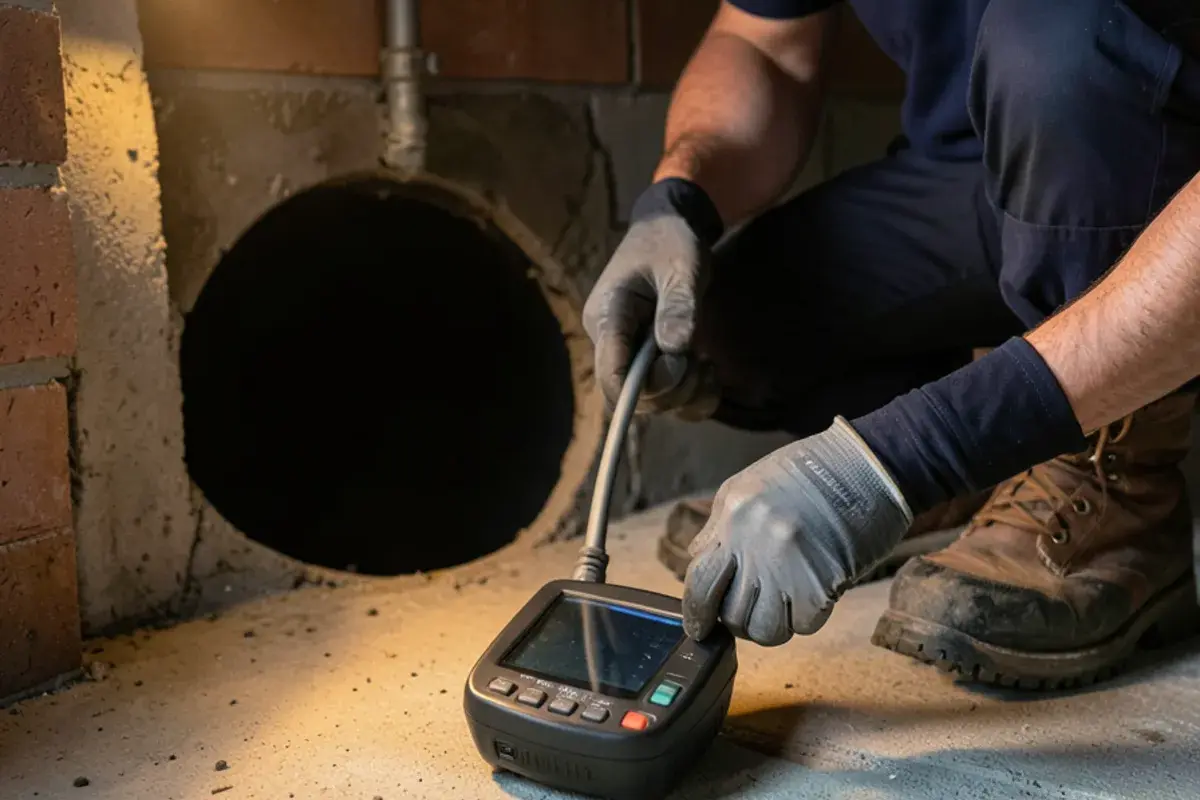
A sewer camera inspection turns those guesses into footage. If it finds an offset or a crack, sewer line repair options range from a spot fix to replacement, and you decide after seeing the pipe. The storm also did heavy damage in East Peoria, so owners of rebuilt homes in East Peoria can ask the same question.
What Happens When Hundreds of Homes Are Built at Once?
Speed puts pressure on every trade. A year after the storm, a small number of contractors were handling many projects at once, and in May 2014 the city administrator said there were simply not enough contractors available. The city added inspectors, including up to three dozen volunteers from around the state, and the city administrator said then that inspections were needed so poor workmanship would not cause problems years later.
That is context, not an accusation. Our reasoning is that when work is stretched thin, small things get missed: a pipe run without enough support, a cleanout buried under finished grade, a stop valve never opened and closed once. Most work passed inspection. The city says rough-in plumbing must pass inspection before walls close, and that permits last six months and are renewable.
To find the record for your address, call the city's inspection line at (309) 444-1122, Monday to Friday, 8:00 AM to 5:00 PM. That is the city's number, not ours, and you should confirm what it keeps on file.
What We Want to Confirm Before Calling a Rebuilt Home Sound
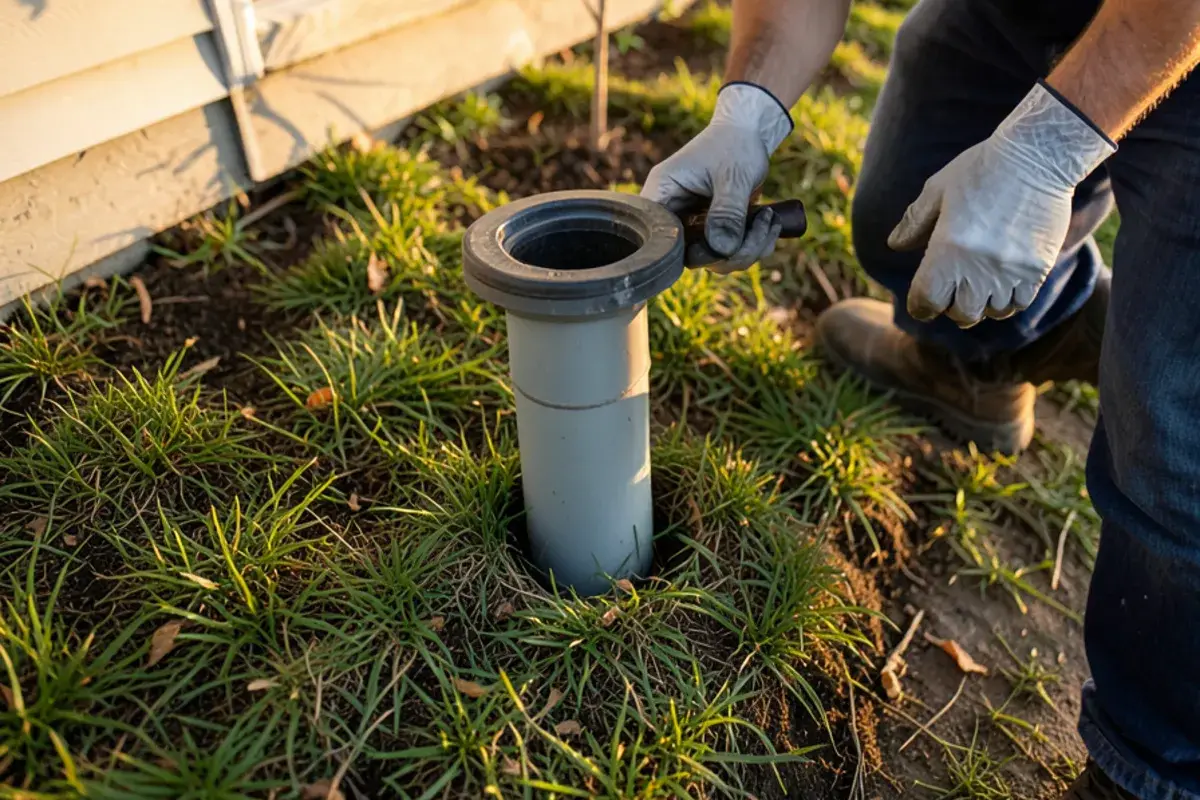
On a rebuilt home, we start with the questions a camera and a flashlight can answer. Where is the cleanout, and can we reach it without digging? Does the lateral run straight and full, or is there standing water, an offset joint or a change of pipe material? Is the heater's relief valve piped to a safe spot and uncapped?
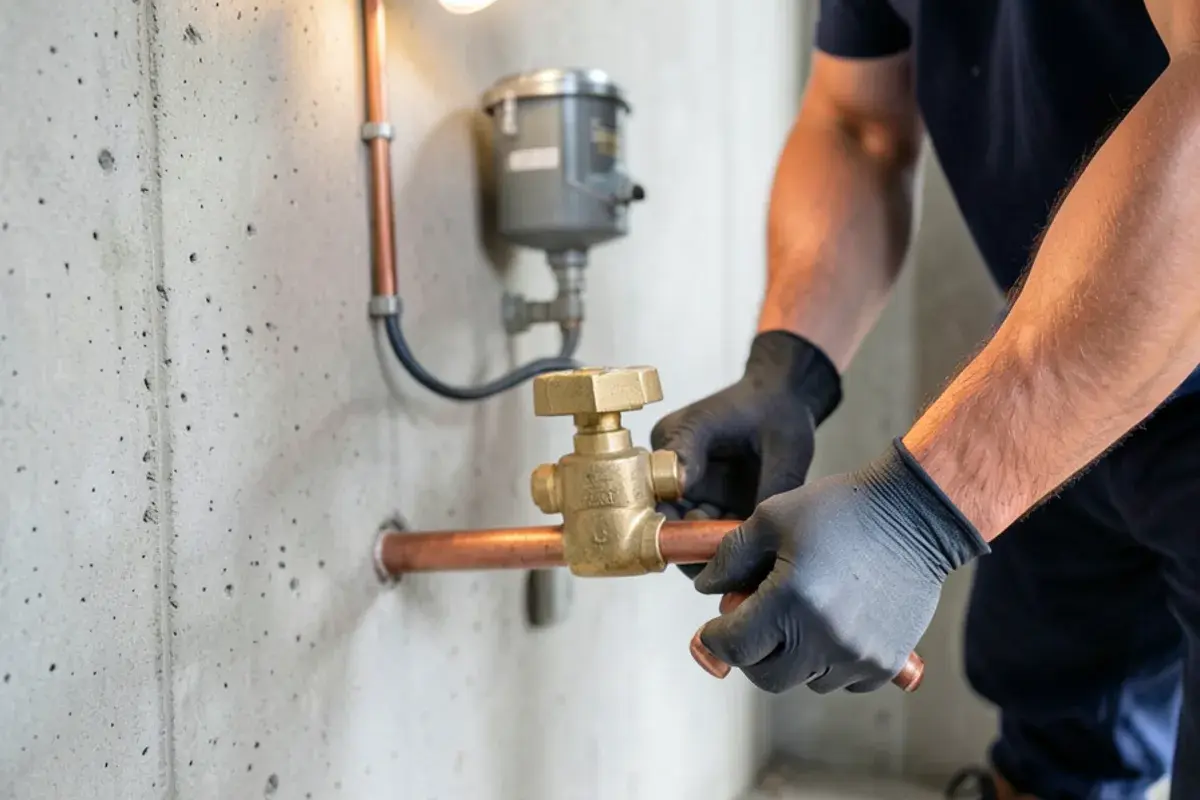
We also try the main shutoff and the fixture stops, because a valve that works on a calm day is the one you need during a leak. Each answer goes on a short list, with what needs action now and what can wait, so you get a clear, upfront quote for anything that is not fine.
Which Checks Are Worth Paying For?
Not all of them, and not every year. Your own walk-through costs nothing and catches most of what ages in the first dozen years. Spend money where the answer changes what you do next:
| Situation | Our honest read |
|---|---|
| Original heater past 10 years, no symptoms | Price a replacement now, then choose your timing |
| Lateral age unknown, or big trees over its path | A camera is worth it once, at a published $100 to $500 per This Old House |
| Permit record shows a new lateral to the main, drains run fine | A camera can wait |
| Slow drains, gurgling or a past backup | Do not wait: have the line looked at now |
| Selling or buying the house | Scope it, because the footage settles an argument before it starts |
The trade-off is plain. A camera on a healthy line costs you the fee and tells you nothing is wrong, which is worth something only if you were worried. On a reused lateral, the same fee can find a problem before it reaches the basement.
Creve Coeur and the other Tazewell County towns near Washington get the same checks. If you are buying a rebuilt house, read why buyers need a sewer camera inspection first.
Book the Check on a Calm Day
These homes came through a hard chapter, and most of what is in them is sound. The goal is to replace a twelve-year-old part on your schedule, before it picks its own. Call (209) 563-1400, tell us the year your house was rebuilt and whether the heater is original, and we will say what is worth a look.
Sources
- Wikipedia: 2013 Washington, Illinois tornado
- WCBU: The road to rebuilding in Washington
- WILL: Six months after tornado, Washington issues 600 recovery permits
- 25 News Now: Look back at the Washington tornado, 10 years later
- U.S. EPA: Preventing Stormwater Contamination from Sanitary Sewage
- National Board of Boiler and Pressure Vessel Inspectors: Residential Water Heater Safety
- Triple-I: Water Damage, What's Covered and What's Not
- Bob Vila: How Long Do Sump Pumps Last?
- Water heater manufacturer: Guide to Expansion Tanks
- Illinois Plumbing Code, 77 Ill. Adm. Code 890.420: Cleanouts
- This Old House: Sewer Line Replacement Cost (updated March 30, 2026)

Written by the Professional Sewer & Drain Services team
A plumbing and sewer company based in Washington, IL. About us