Prevention checklists
Winter Plumbing Checklist for Homeowners
Published November 1, 2026. Updated November 1, 2026.
This winter plumbing checklist covers the jobs worth doing before December 1, the extra steps for a hard-freeze night, and what to do the morning after. Washington's cold season runs about December 1 to March 1, so most of it fits into one weekend in November. Print it or save it, and tick it off.
What Belongs on a Winter Plumbing Checklist?
Four jobs belong on every winter plumbing checklist: know the shutoff, protect exposed pipe, drain what is outdoors and test what runs in a storm. The Illinois Emergency Management Agency and the National Weather Service said in November 2025 that winterizing the home, packing an emergency kit and insulating exposed pipes can make all the difference.
Here is the order that works, with the right moment for each.
| When | Task | Why it matters |
|---|---|---|
| Before December 1 | Test the main shutoff | A valve nobody has turned in years can stick |
| Before December 1 | Drain outdoor faucets, remove hoses | Water left in a faucet freezes first |
| Before December 1 | Insulate exposed pipes | Pipes in outside walls and crawl spaces are the risk |
| Before December 1 | Test the sump pump | Snowmelt arrives when the ground is frozen |
| Before a hard freeze | Open cabinets, set a trickle | Room air and moving water slow freezing |
| After a freeze | Turn water on slowly, check joints | Cracks leak once the ice melts |
Pipe frozen or water off in the cold? Call (209) 563-1400
Open 7 days, 7:15 AM to 6:15 PM. Tell us what is happening and we will give you a clear, upfront quote.
What Should You Do Before December 1?
Do these in one weekend in November, in this order.
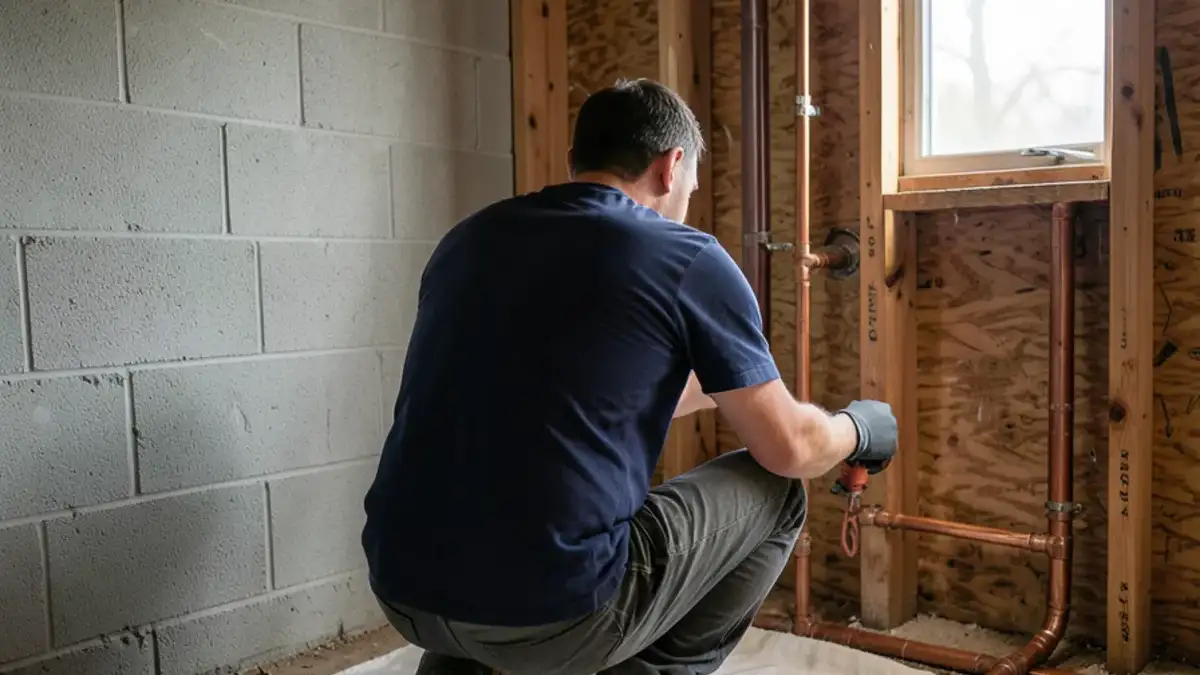
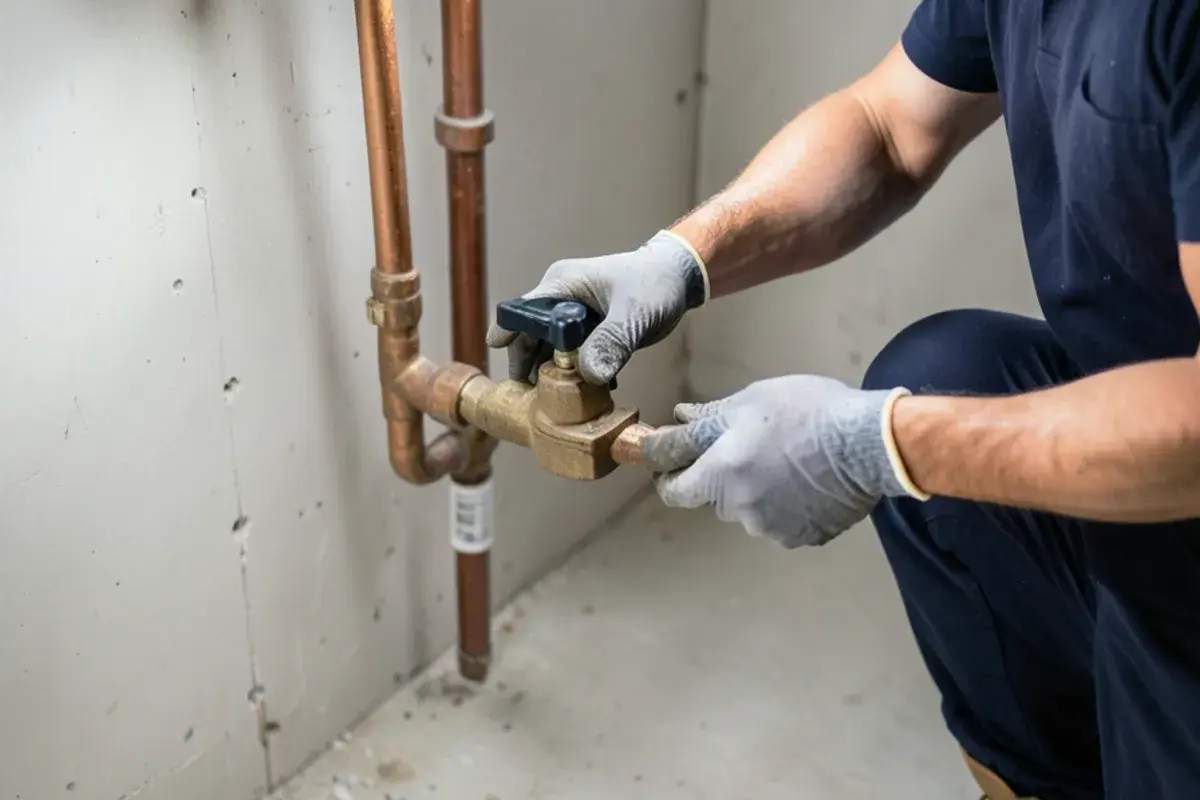
- Find the main shutoff and turn it closed, then open. You should be able to do it in seconds.
- Disconnect hoses and drain outdoor faucets. Close the interior shutoff to each one if you have it, then open the outdoor spigot.
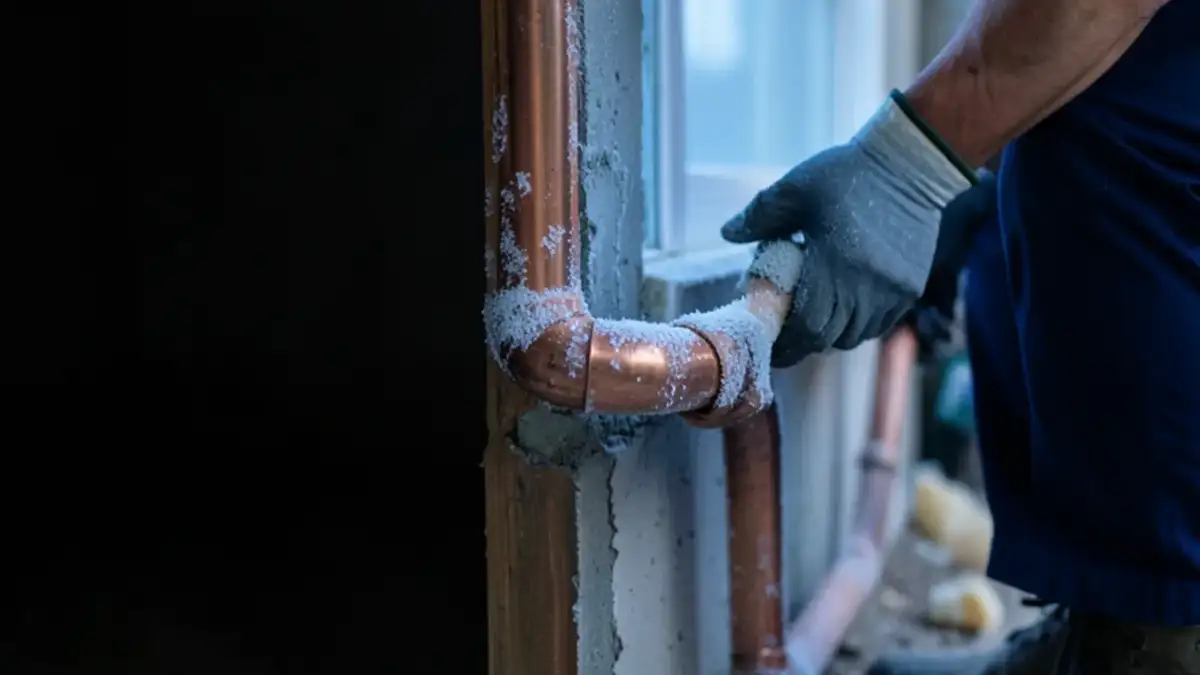
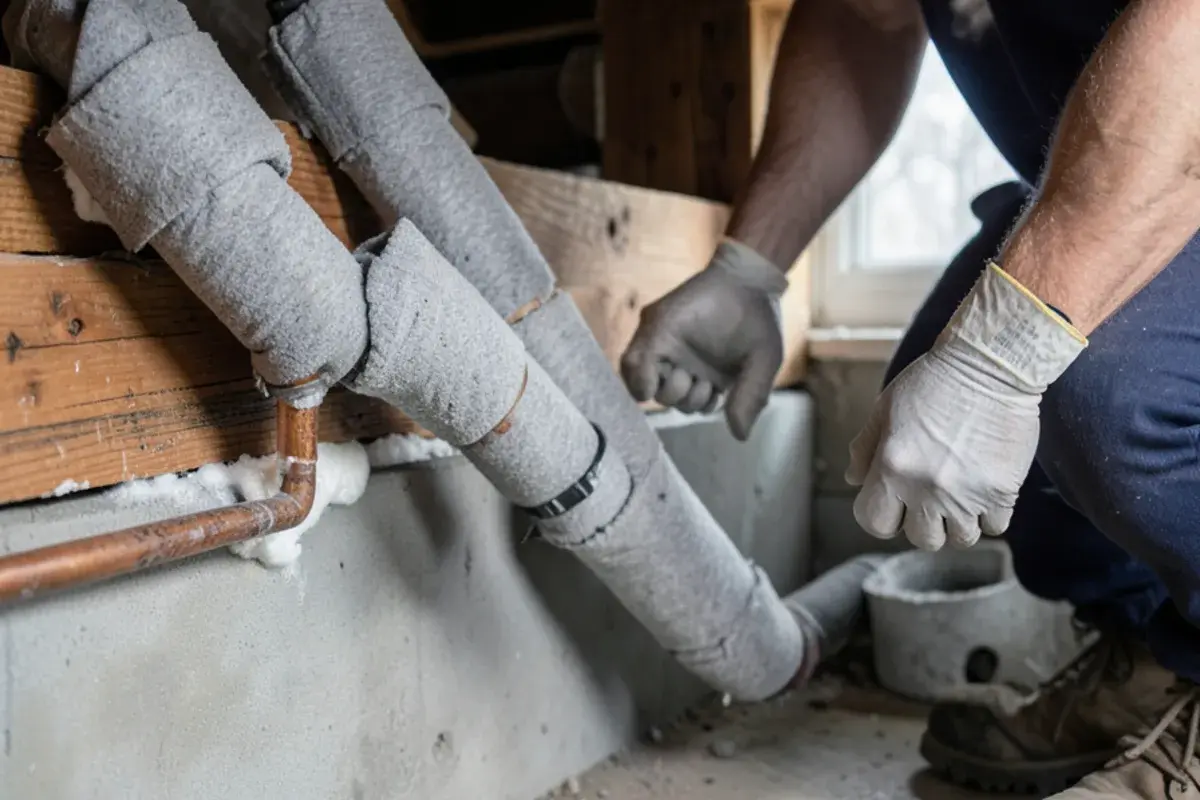
- Insulate exposed pipes in the basement, crawl space, garage and attic. Seal visible drafts near the rim joist.
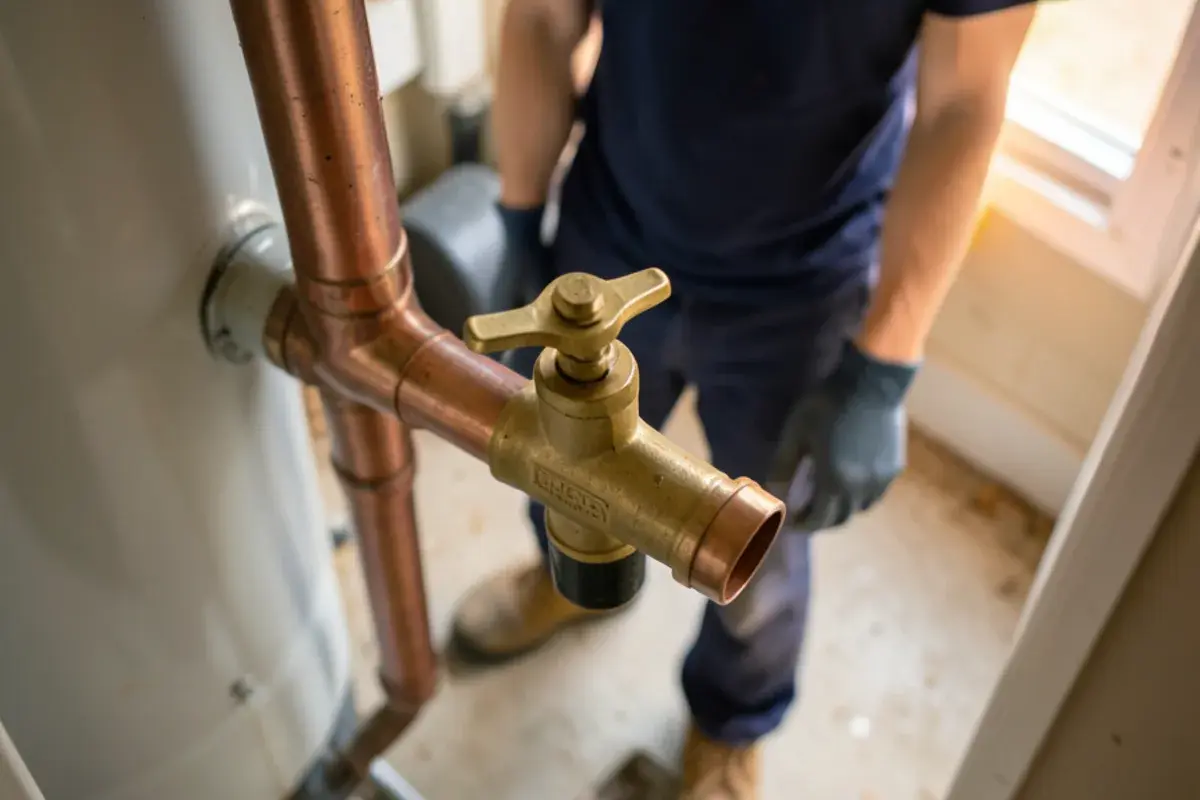
- Look at the water heater. Check for rust or moisture, and test the relief valve once a year with its discharge pipe attached. The National Board warns never to cap that pipe.
- Find your sewer cleanout and make sure you can reach it in snow.
- Check the batteries in smoke and carbon monoxide detectors. The National Board advises a carbon monoxide detector when you have gas appliances.
- Save one number for a plumber, and keep the gas utility's number beside the furnace.
A gas smell changes everything: get everyone out first, then phone the gas utility or 911 from outside. Ameren Illinois serves the area for gas. Never search for the leak yourself.
Is Your Outdoor Faucet Really Frost-Free?
Check, do not assume. A frost-free hose bib has a long stem that closes a valve seat inside the heated wall, and the tube drains out the spout by gravity, according to an Inspect and Test guide. A hose, splitter, timer or nozzle left on traps water in that tube. Ice can then split it inside the wall, where nobody sees it. The first time you open the faucet in spring, have someone watch the inside wall or ceiling. Water there instead of at the spout means a split tube.
How Do You Get Pipes Through a Hard Freeze?
Get warm air to the pipe and keep water moving through it. Illinois American Water gives the short version: open cabinet doors to expose pipes, and let a small trickle of water run overnight. A short trickle costs far less than repairing a burst pipe. The Jemez Springs Domestic Water Association suggests the faucet farthest from the main shutoff, so water moves through the most pipe.
What Does a Trickle Cost in Washington?
About 45 cents a night, on one set of assumptions. City rates are $3.28 for water and $6.01 for sewer per 1,000 gallons, so $9.29 combined; check the current rate. A trickle that fills a gallon jug in 15 minutes uses 48 gallons over 12 hours. Today's Homeowner estimates burst pipe repair in Washington at $788 to $3,154, a published figure and not our quote.
On the coldest nights, add these:
- Keep the heat on and steady day and night.
- Keep the garage door closed if pipes run through it.
- Check the faucet on the exterior wall first in the morning. A weak flow there is the early sign of ice.
Watch a hard cold snap with no snow on the ground. The Illinois State Climatologist notes that snow insulates soil from extreme air temperatures, and it reported frost around 10 to 20 inches deep across Illinois in February 2014. Bare ground gives frost an easier path toward shallow lines in garages and crawl spaces.
If you will be away, keep the heat on and have someone check that it is working and the pipes have not frozen. A freeze alarm can call a phone number if the indoor temperature drops below 45 degrees. Our frozen pipes prevention guide goes through where pipes freeze first.
Is Your Sump Pump Ready for the Thaw?
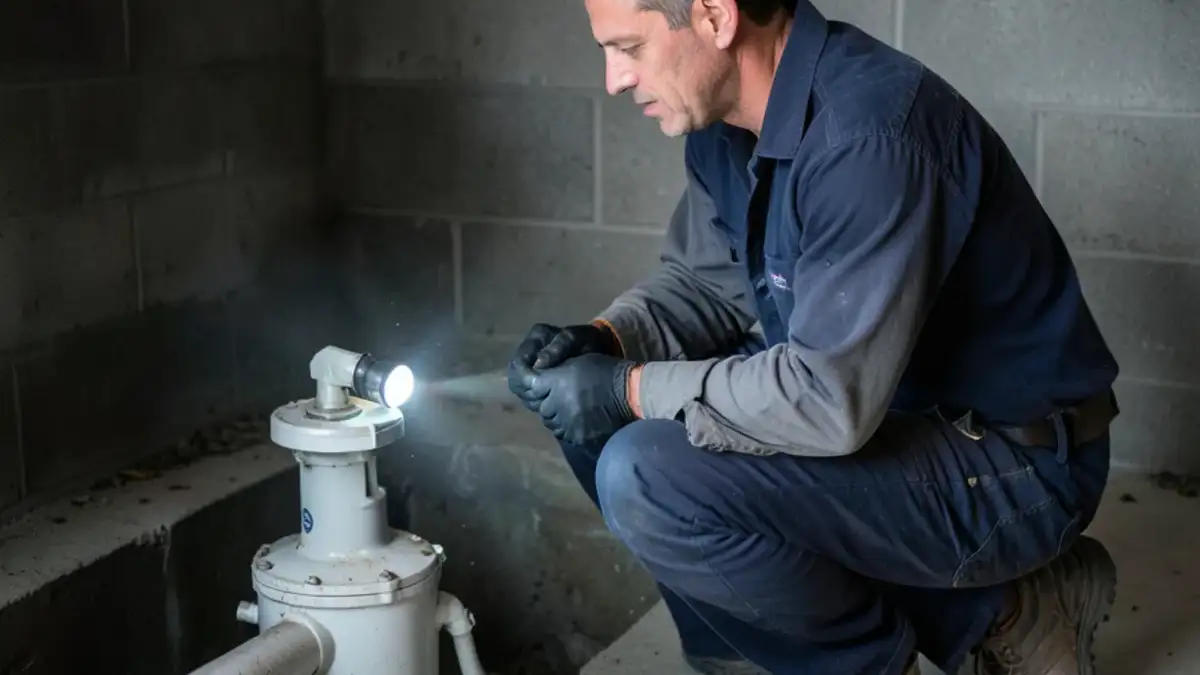
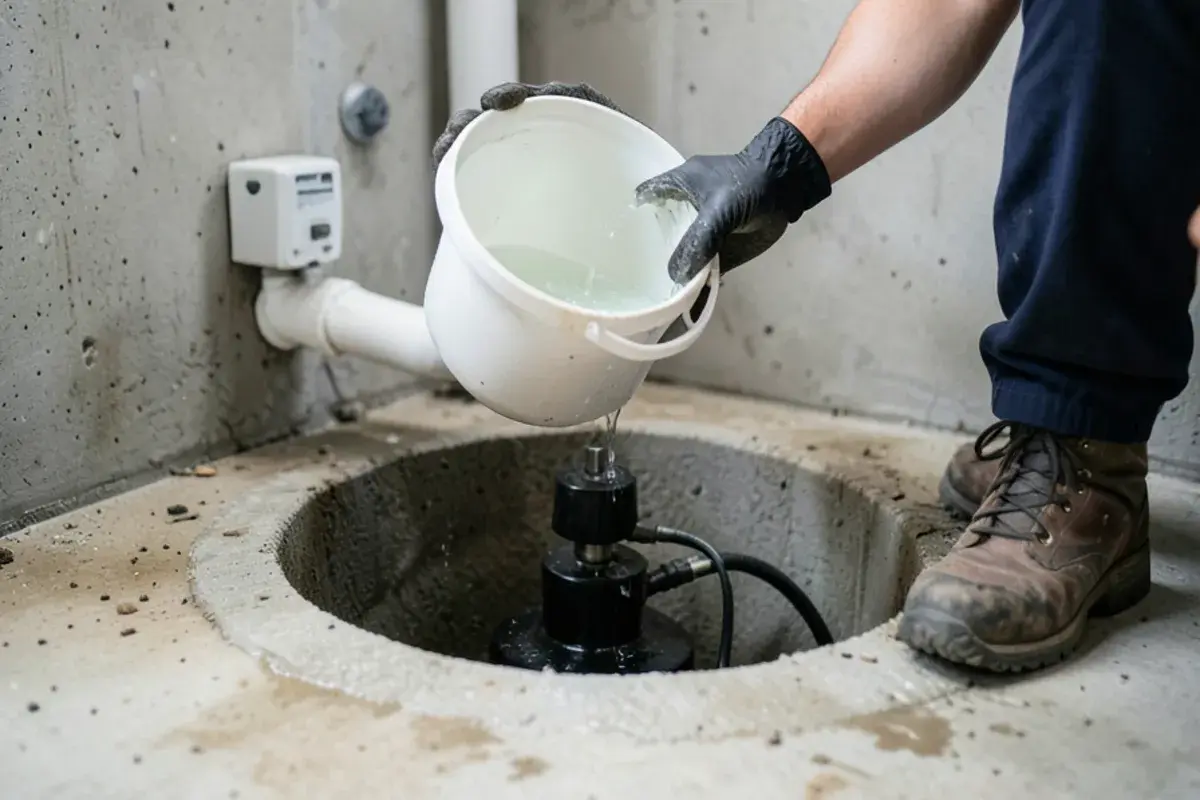
It is ready if you have tested it. Pour a bucket of water into the pit and watch the float lift, the pump start and the water leave through the discharge line. Then walk outside and look at the end of that line. Ice or packed snow there stops the pump from doing its job.
Illinois DNR describes sump pumps as handling groundwater from a footing drain, and its suggested upgrades are a backup power source, a larger or additional pump and a check valve on the outfall. If the test fails, sump pump service is cheaper in November than in March.
What Do You Do the Morning After a Freeze?
Walk the house before you relax. Turn the water on slowly, then check every joint, every faucet and the ceilings below bathrooms and kitchens. Illinois American Water points out that freezing often causes unseen cracks, which leak once pipes thaw.
If a pipe is frozen and not yet leaking, shut off the water to it, then warm the air around it with a hair dryer, a space heater you stay beside or hot water. Never use kerosene heaters or open flames. If you cannot find the section, frozen pipe thawing is a call to make. Our guide to what to do when a pipe bursts covers a pipe that has already let go.
Which Winter Jobs Are Yours and Which Are Ours?
Most of this list is yours. The last column is the point where a plumber should take over.
| Item | Your part | Call when |
|---|---|---|
| Main shutoff | Close it and open it | It will not turn, or it weeps at the stem |
| Outdoor faucet | Remove the hose, drain it | It drips after closing, or it has no shutoff and is not frost-free |
| Exposed pipe | Fit foam sleeves | It runs in an outside wall you cannot reach, or it froze last year |
| Sump pump | Run the bucket test | The pump hums without moving water, or runs nonstop |
| Water heater | Look for rust and moisture | The relief valve keeps dripping after a test, or water sits at the base |
| Sewer cleanout | Find it, keep it clear of snow | The cap is seized, or you cannot find one |
Why Do Drains Back Up Around the Holidays?
A full house and a kitchen full of grease land on the same drain. The City of Bartlesville, Oklahoma, says Thanksgiving is the busiest day of the year for sewer backup calls to its wastewater department, and it blames wipes, grease and food scraps. A few habits cover most of it:
- Let hot grease cool in a can, then put the can in the trash.
- Wipe greasy pans with a napkin before they reach the sink.
- Scrape peels and scraps into the trash, not the disposal.
- Keep a wastebasket in the guest bath, and flush only toilet paper.
If the main line ran slow in the fall, have it looked at before company arrives. Angela S. wrote that she called right before Christmas weekend about a sewage line that was well past needing attention.
What We Look For When a Winter Call Comes In
On a winter call, we ask first whether the whole house is without water or one fixture. All fixtures points to the main line or the meter; one points to a branch. Next we ask whether anything is dripping, because that separates a freeze from a break.
Jason P. wrote that Monte not only did the repair but educated them on how to prevent the problem from growing into a bigger and more expensive one. That is the standard we hold ourselves to: a cause, a fix and a short list for next time. For homes in Morton and across the rest of our service area, that list usually starts with the pipes on the coldest wall. Our plumbing repair page covers the rest of what we fix.
Winter Trade-Offs We Talk Through
- Foam or heat cable. Foam only slows heat loss. Heat cable adds warmth, but it stops working when the power does, which is when an ice storm hurts most.
- Trickle or main shutoff. A trickle helps protect the pipe and wastes a little water. Closing the main limits the damage from a break, but it will not stop a freeze.
- Thaw it or move it. A thaw fixes this year. A line that freezes on the same wall every winter may need rerouting, which costs more once and ends the repeat calls.
Call While the Weather Is Still Mild
Run the list this month. If it turns up a stuck shutoff, a dripping faucet or a pump that will not start, call (209) 563-1400 and tell us what you found. A repair on a mild day is easier on everyone than the same repair with the water off in January.
Sources
- Illinois American Water: Cold Weather Tips To Prevent Frozen Pipes (January 15, 2024)
- Illinois Emergency Management Agency and Office of Homeland Security: winter weather preparedness release (November 2025)
- National Board of Boiler and Pressure Vessel Inspectors: Residential Water Heater Safety
- Illinois Department of Natural Resources: Guide to Floodproofing
- Inspect and Test: Frost-Free Hose Bib Guide
- Jemez Springs Domestic Water Association: Winterizing Your Home
- Illinois State Climatologist: Frost Depth in Illinois
- City of Bartlesville: Thanksgiving Biggest Day for Sewer Backups

Written by the Professional Sewer & Drain Services team
A plumbing and sewer company based in Washington, IL. About us