Problem solving
Signs of a Hidden Water Leak
Published November 1, 2026. Updated November 1, 2026.
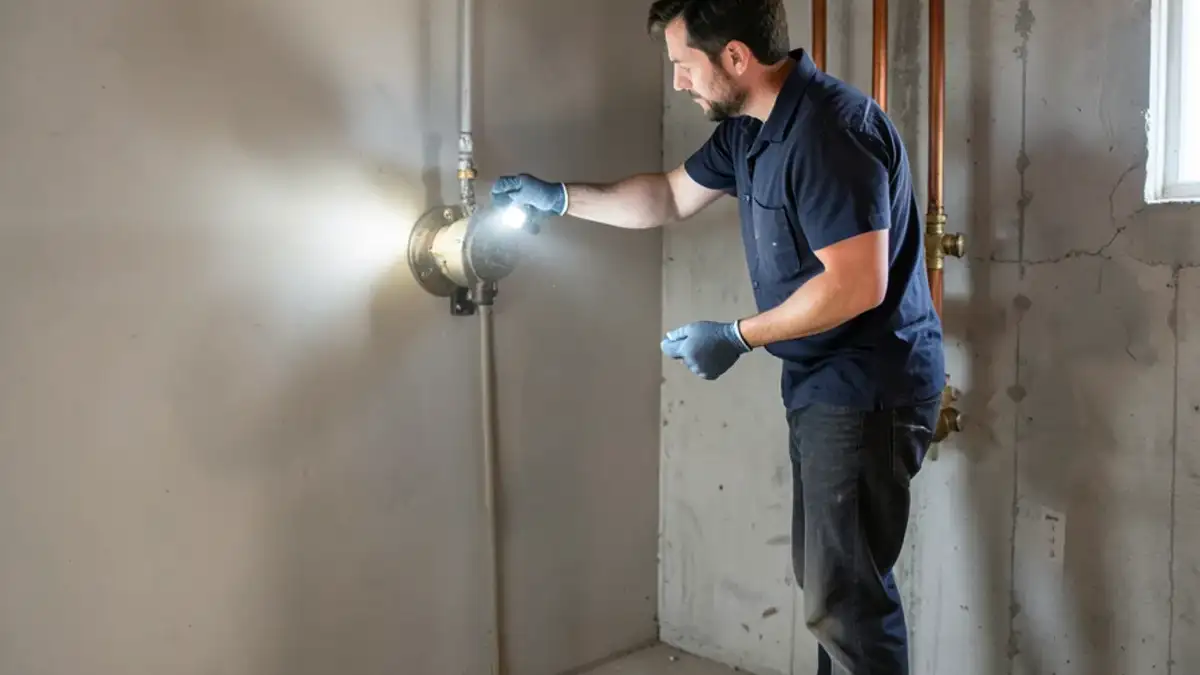
The signs of a hidden water leak are a water bill that climbs with no change in habits, a meter that moves when every fixture is off, damp or musty smells, stained or bubbling drywall, and the sound of running water in a quiet house. You can confirm a leak yourself with a two-hour meter test before you call anyone.
What Are the Signs of a Hidden Water Leak?
Start with the signs that show up in the house itself. Most hidden leaks announce themselves long before water appears on a floor.
- A water bill that rises with no change in how you live
- A meter that keeps moving when every fixture is off
- Musty smells in a basement, closet or cabinet
- Stained, bubbling or soft drywall and ceiling tiles
- Warm patches on a floor, which can point to a leaking hot line under it
- The sound of running or hissing water in a quiet house
- Lower water pressure at some fixtures
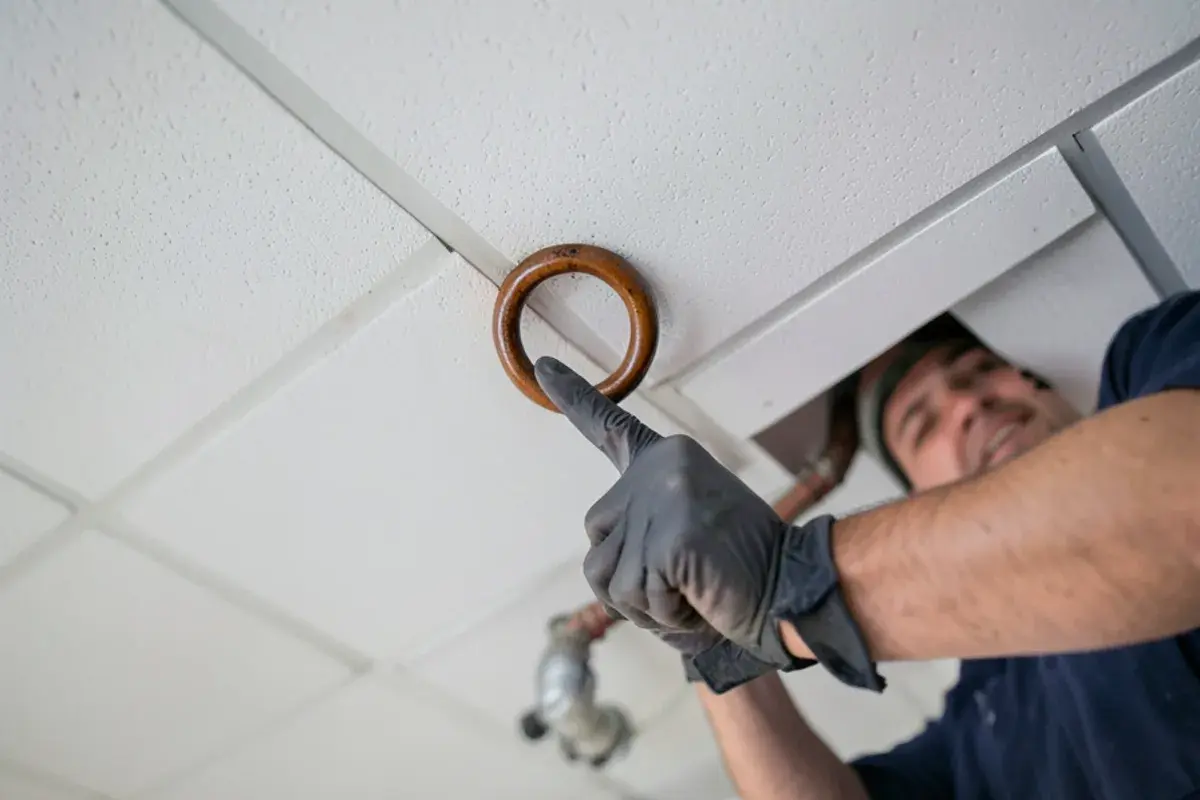
One sign is a reason to check. Two or three is a reason to call.
Hidden leak in your walls? Call (209) 563-1400
Open 7 days, 7:15 AM to 6:15 PM. Tell us what is happening and we will give you a clear, upfront quote.
How Can You Test for a Leak in Two Hours?
Use the meter. The EPA's WaterSense program describes a test anyone can do.
- Turn off every faucet, appliance and the ice maker.
- Record the meter reading.
- Wait two hours and use no water.
- Read the meter again. If the number moved, water is going somewhere.
Then check the toilets, the usual silent leak. Add a few drops of food coloring to the tank, wait 10 minutes without flushing and see whether color reaches the bowl. Flush promptly afterward so the dye does not stain the tank.
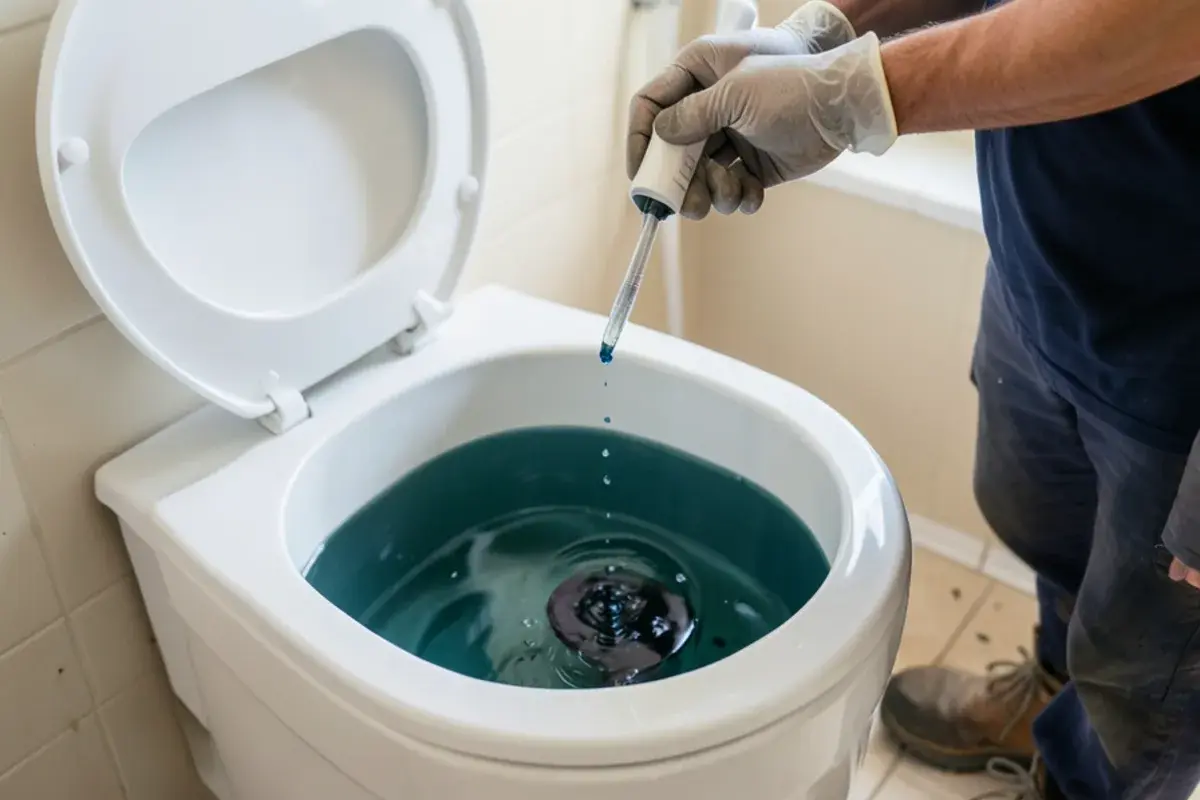
The EPA also suggests looking at a cold month's use. A family of four using more than 12,000 gallons in a month in winter may have serious leaks.
False Alarms That Can Move the Meter
A moving meter does not always mean a pipe has failed. Before you trust the result, rule out anything that draws water on its own: a softener partway through regeneration, an ice maker refilling, a whole-house humidifier on the furnace, or a filter system that flushes itself. Toilets count too. The EPA says to check flappers periodically and replace them at least every five years, so a worn one may be your whole leak.
Is the Leak in the House or in the Yard?
The main shutoff splits the question in two. Close it, then listen and look. The Regional Water Providers Consortium says many meters carry a small red diamond that moves whenever water is flowing, which is easier to read than the dial.
| With the house main closed | What it points to | Where to look next |
|---|---|---|
| Sound and meter both stop | A leak inside the house | Fixtures, joist bays, the water heater |
| Water still runs | The service line, from the meter to the house | The lawn along that pipe's path |
| Soft, wet patch in the lawn | A likely service line leak | Mark it and call before digging |
That line is often on your side of the meter, so it can matter more to your bill than any leak indoors.
Why Does a Small Leak Matter if the Bill Barely Moves?
The bill hides it, the structure pays for it. The EPA reports that about 9% of homes have leaks that waste 50 gallons or more per day. At Washington's published residential rate of $3.28 per 1,000 gallons, 50 gallons a day is about 1,500 gallons a month, roughly $5. Check the current rate with the city, but the point holds: the water charge is small.
What Different Leaks Add to a Bill
Size changes the picture quickly. These are EPA leak figures priced at Washington's listed rates of $3.28 for water and $6.01 for sewer per 1,000 gallons. Whether sewer follows your metered use is a question for your bill.
| Leak | Water lost | Water charge | With sewer |
|---|---|---|---|
| Showerhead, 10 drips a minute | 500 gallons a year | About $2 a year | About $5 a year |
| Faucet, one drip a second | 3,000 gallons a year | About $10 a year | About $28 a year |
| Hidden leak, 50 gallons a day | About 18,250 gallons a year | About $60 a year | About $170 a year |
| Opening about 1/32 inch wide | 6,300 gallons a month | About $21 a month | About $59 a month |
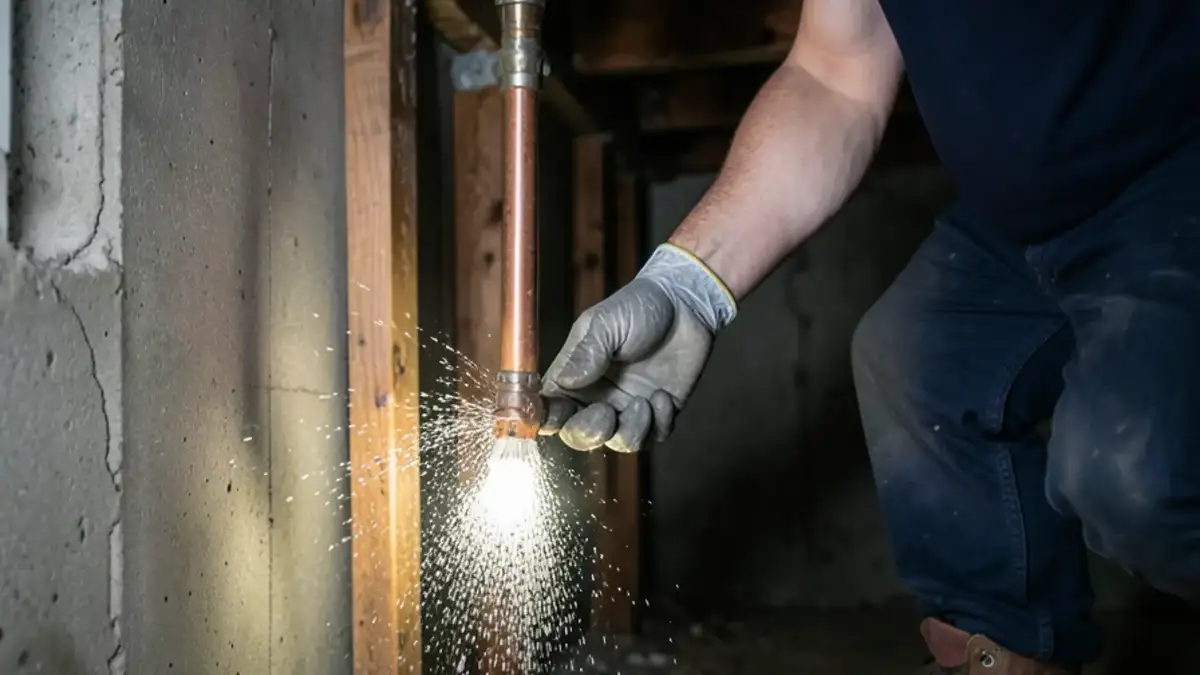
The damage is not. Drywall absorbs moisture within hours, and framing that stays wet past 48 hours risks microbial growth. A pinhole leak at a copper joint can feed a wall cavity for months. Photograph any damage before cleanup, because your insurer will ask.
Where Do Leaks Hide in a Washington Home?
In a basement home, in the joist bays. Many Central Illinois homes have a basement, and supply pipes often run along the ceiling joists, so a slow drip lands in insulation or on a ceiling tile below a bathroom. Look for rust rings, green corrosion on copper and wet insulation.
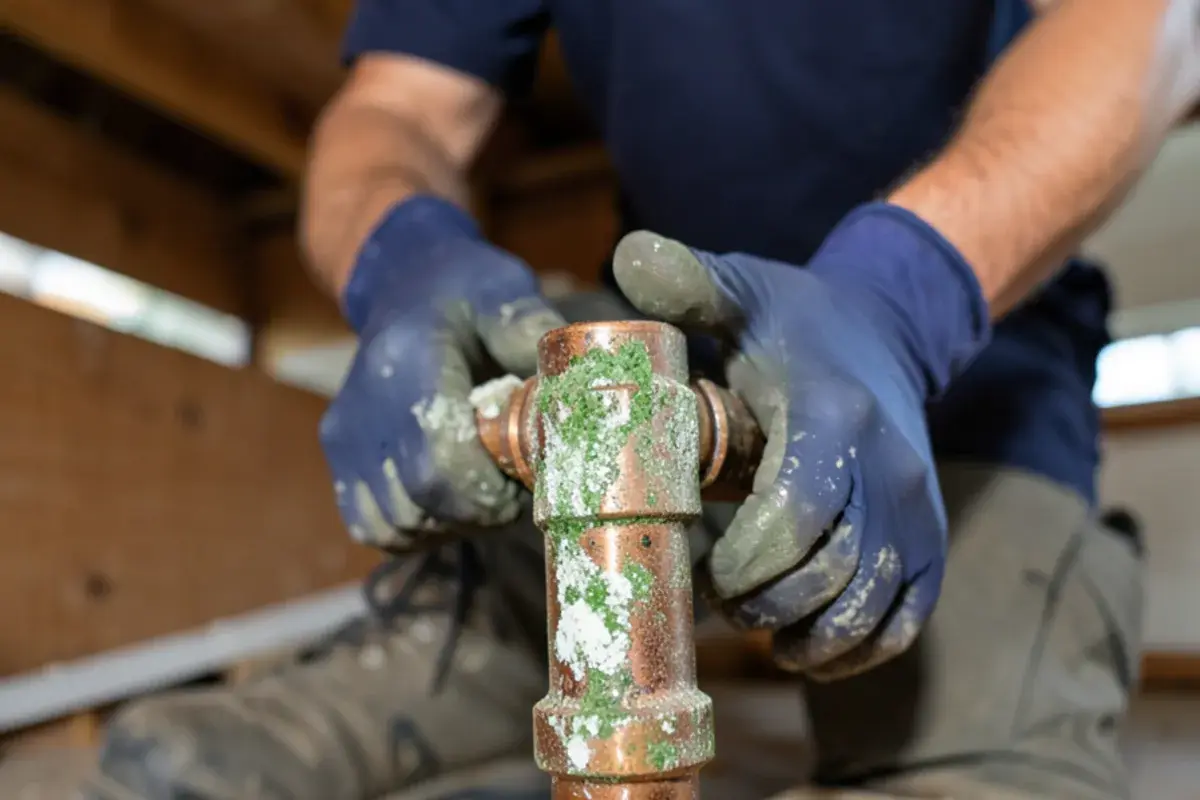
Homes built on a slab hide the pipes in or under the concrete. A warm floor spot, a hissing sound or a meter that moves with all fixtures off are the clues there, and that is where leak detection and repair tools matter. A damp basement wall may also be groundwater, not a pipe, so the meter test comes first. We also take leak calls from Sunnyland and the neighborhoods between Washington and East Peoria, and the meter test is the first thing we ask about there too.
Who Pays When the Leak Is Past the Meter?
Usually you do, because the bill follows whatever passes through the meter. A May 2026 report by 25 News Now covered a Pekin rental billed about $1,300 for three months in late 2025. In that report, an Illinois American Water spokesperson said residential customers could receive a one-time credit for a portion of a leak.
The story gave no terms, so ask. Call the utility as soon as you find a leak, keep the repair invoice and ask what your provider allows. Illinois American Water customers can also watch their use on its MyWater app. Other suppliers, including city water departments, set their own rules.
What Should You Do the Moment You Find One?
Stop the water, then document. Four steps cover most cases:
- Find the main shutoff valve and close it if water is spreading. Know where it is before you need it.
- Open a faucet at the lowest point to drain the lines, and turn off the water heater if the leak is on the hot side.
- Photograph the damage and the source before you move anything. Keep damaged items until your insurer says otherwise.
- Run a fan and open a window to start drying. A moisture meter later confirms the wall is dry.
Do not cut into a wall to chase a leak yourself. A wet wall may hide a live electrical box.
What We Look For When We Hunt a Leak
We start with the meter, because it tells us whether the leak is real before we cut or open anything. Then we look at the likely paths: under the bathroom, below the water heater, around the main shutoff valve and along the supply lines. Following the pipe runs and checking for moisture narrows the spot, so one small opening replaces a torn-out wall.
There is a trade-off in how hard to hunt. On a slow leak under a finished floor, tracing takes time and costs money, and sometimes abandoning a run and rerouting it beats opening the floor. A first leak in sound pipe is a repair. Several leaks along the same run may not be, and our guide to repiping or spot repair shows how to weigh that. We would rather tell you the meter test came back clean than open a wall to prove a guess.
If the leak is active and spreading, shut off the main water valve first. Call us after that. A burst or fast leak is covered on our burst pipe repair page, and one customer wrote about a Saturday-morning leak behind a laundry room. Our hours run 7:15 AM to 6:15 PM every day.
Found a Sign? Run the Test, Then Call
Start with the meter this evening, since it takes two hours and costs nothing. If the number moved, or you can see staining or smell damp and the source is not obvious, call (209) 563-1400 with the reading and where you noticed it. Water that is running now is an emergency leak repair call, so close the main first. For everything slower, we will help you sort out whether it is urgent or can wait for a scheduled visit.
Sources

Written by the Professional Sewer & Drain Services team
A plumbing and sewer company based in Washington, IL. About us